
 close
close


 LOGIN
LOGINRugby Coach Weekly is the largest digital resource for youth coaches, trusted by 15,000+ coaches, teachers and parents every month.
-
Coach with confidence
-
Improve your teams faster
-
Run great sessions with less effort
- Expert coaching advice from TOP Coaches
- Training sessions for players from U6 to U17+.
Attacking in twos


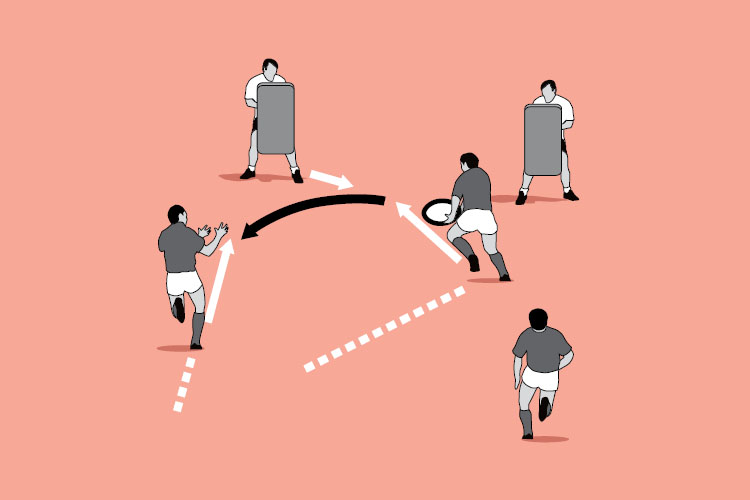
From second phase ball you are likely to face a line of defenders to beat. If your team cannot take the ball into the wide channels, it is likely your attackers will be attacking the spaces between these defenders. This session works on the concept of attacking in “twos” to exploit a half break at the defensive line.
Warm up time: 5-7
Session time: 5-8
Development time: 10-15
Game time: 15-20
Warm down time: 5-7
What to think about
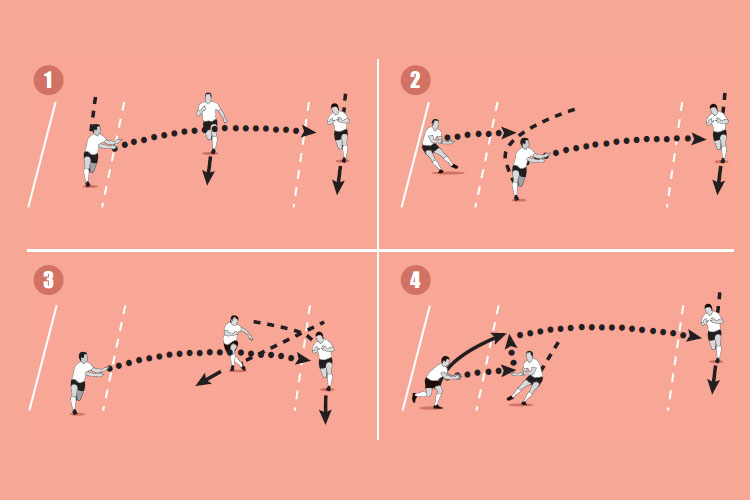
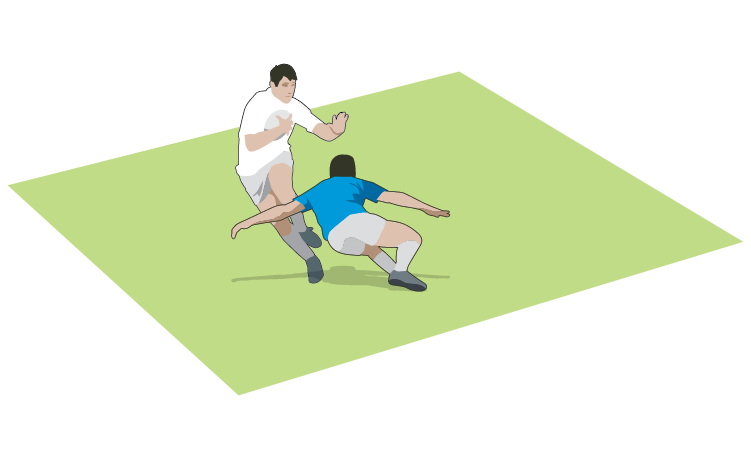
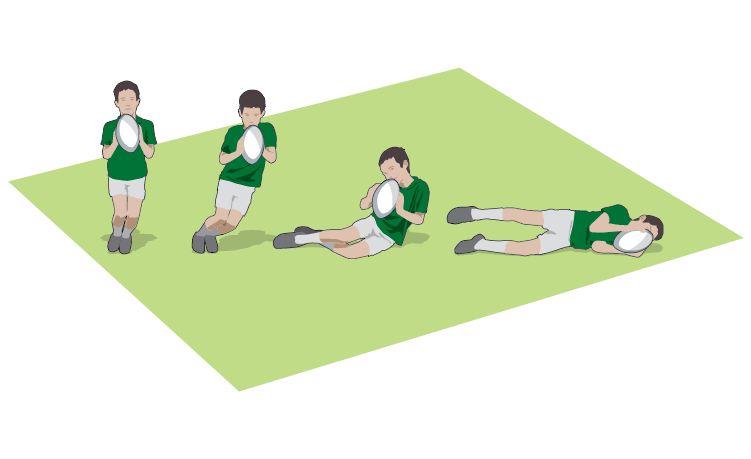
Though the skills used in this session are generic, “twos” can be a specific call in the game. A potential ball carrier can call the play, so the support players are aware of the running line and intention. The ball carrier should aim to keep the ball secure through the tackle area. He must avoid pushing the ball away from his chest through the contact because of the chance it might be dislodged. He can pass before or straight after contact. Both scenarios should be practised because defenders get wise to one type of play quickly. They will either react to prevent the offload or step across to tackle the pass receiver.set-up
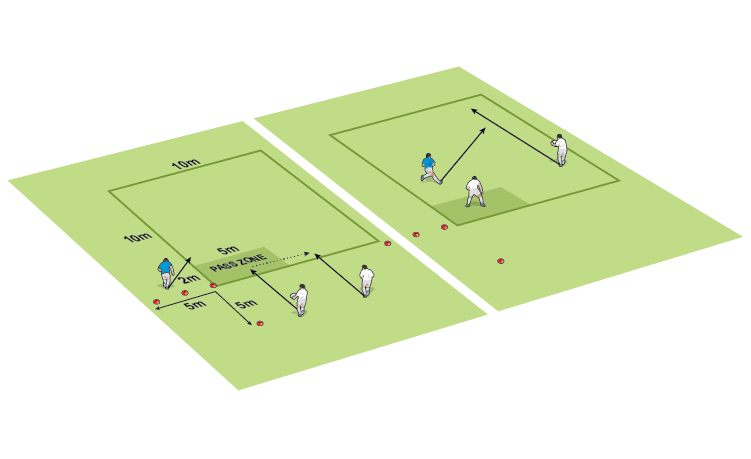
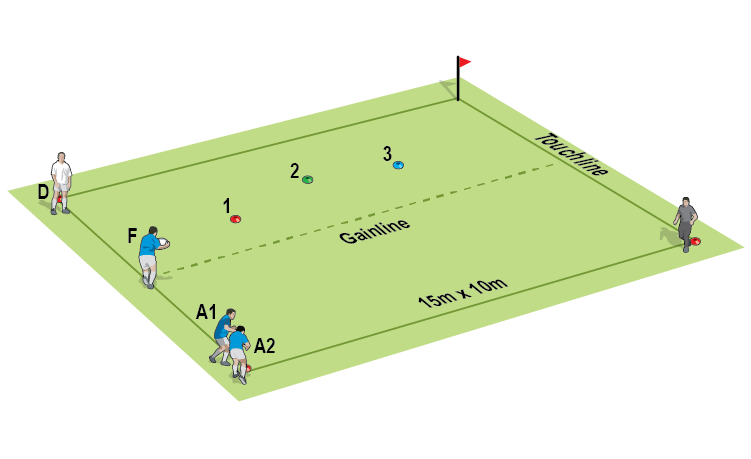
- Ball carrier – shout out “twos” and attack the defender, running an “L” shaped line.
- Aim to get beyond the defender before delivering the ball.
- Support players – respond to the call and angle in to take the offload or pass.
What you get your players to do
Warm up by setting out cones to indicate the angles of run the ball carrier might take. This allows a ball carrier and support runner to practise their timing. Then place two ruck pads holders about 2m apart. Have one ball carrier and two support players run at the pads, with the ball carrier calling out “twos” as the pads move forward. Make sure the ball carrier gets beyond the pads before releasing the ball.Development
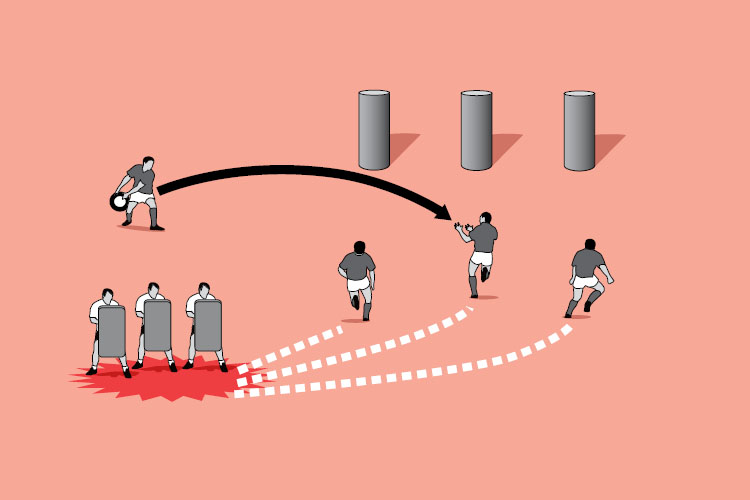
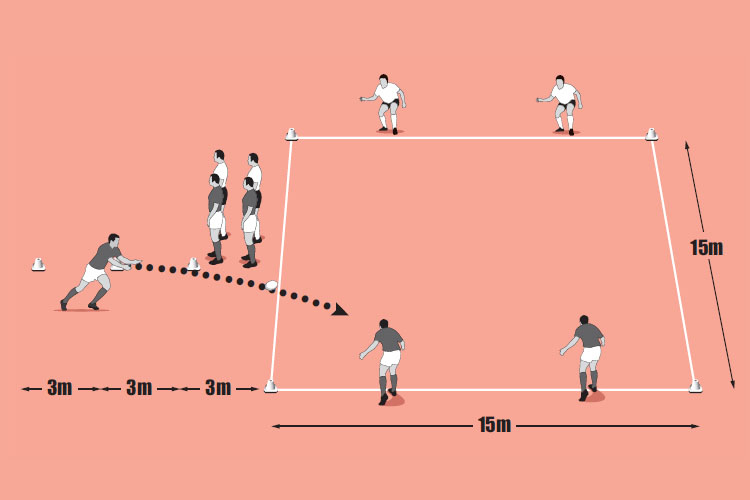
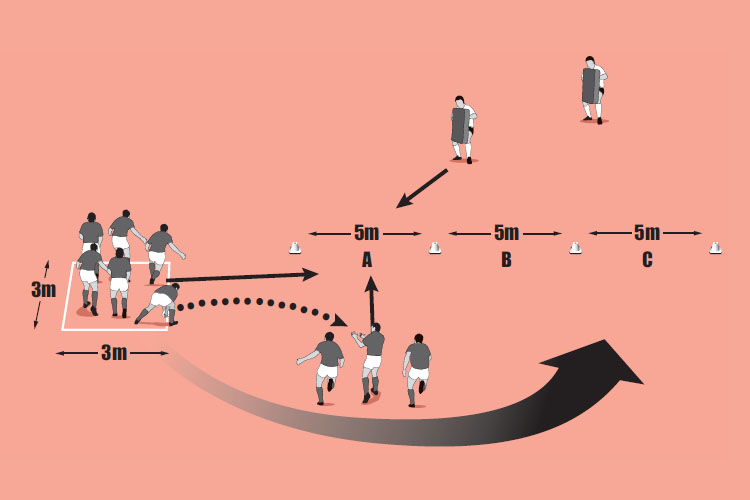
Set up three tackle tubes about a metre apart. Put three pad holders and three attackers 6m away. Have these attackers drive into the pad holders continuously until you shout “play”. The attackers then reform to take a pass and perform a “twos” move after receiving a pass from a feeder. They then attack the gaps between the tubes. Eventually replace the tubes with tacklers.Related Files
Game situation
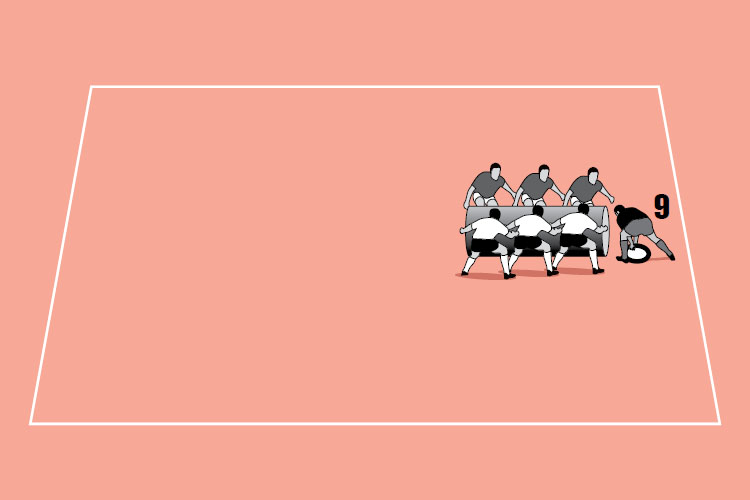
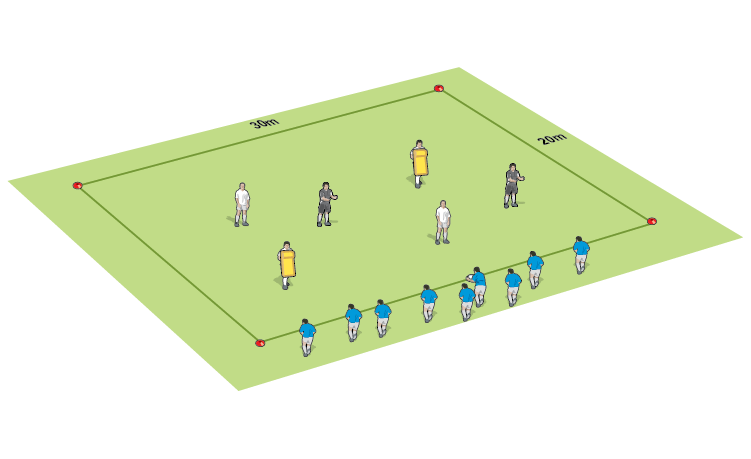
Put a group of three players either side of a tackle tube (or ruck pads). Say which group will attack and which will defend. From a standing start next to the tube, have the players run into position. Let a 9 come round and pass the ball from the base of the tube to the attacking team. They play full contact rugby, but with no rucks.
This is a quick game, so keep rotating the players.
What to call out
- “Sharp changes of angle”
- “Win the contact before passing the ball”
- “Hard hands through the tackle, soft hands with the pass”

Dan Cottrell
Latest Issue
Subscribe Today
Subscribe Today
Newsletter Sign Up
Coaches Testimonials

Colin Shaw

Gary Lee Heavner
Subscribe Today
Latest Issue
Be a more effective, more successful rugby coach
In a recent survey 89% of subscribers said Rugby Coach Weekly makes them more confident, 91% said Rugby Coach Weekly makes them a more effective coach and 93% said Rugby Coach Weekly makes them more inspired.
Get Weekly Inspiration
All the latest techniques and approaches


Rugby Coach Weekly offers proven and easy to use rugby drills, coaching sessions, practice plans, small-sided games, warm-ups, training tips and advice.
We've been at the cutting edge of rugby coaching since we launched in 2005, creating resources for the grassroots youth coach, following best practice from around the world and insights from the professional game.
