
 close
close


 LOGIN
LOGINRugby Coach Weekly is the largest digital resource for youth coaches, trusted by 15,000+ coaches, teachers and parents every month.
-
Coach with confidence
-
Improve your teams faster
-
Run great sessions with less effort
- Expert coaching advice from TOP Coaches
- Training sessions for players from U6 to U17+.
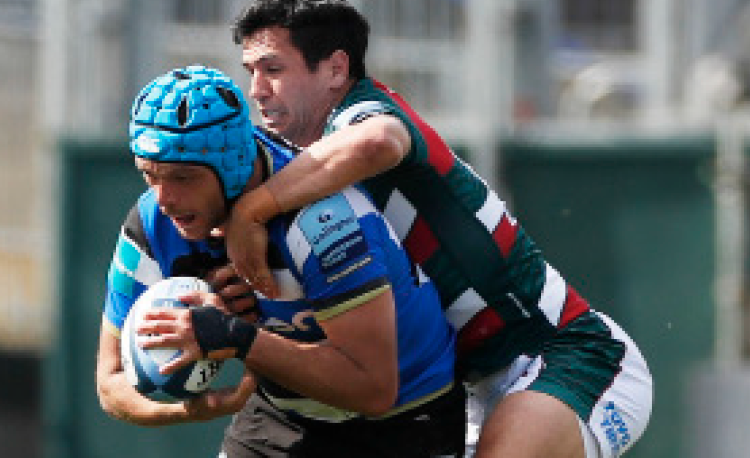
Think tackle types, not just tackles
Editor Dan Cottrell adds further context to two sessions.


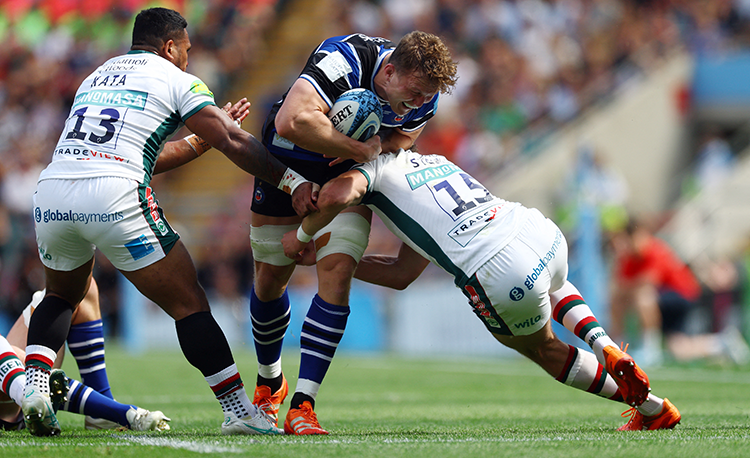
Often tackle training focuses on two things: improving the chances of players making tackles and then tackle systems. It’s often a reaction to a poor defensive performance in the previous match.
A couple of issues ago, Ed Robinson told us that he put defence first in training, making it focus for development. He trained defence in every session.
Part of his training method was to give the players more decisions in defensive games. So, instead of working on one technique or encouraging one type of defence, the players were rewarded if they could choose a better tackle for the situation.
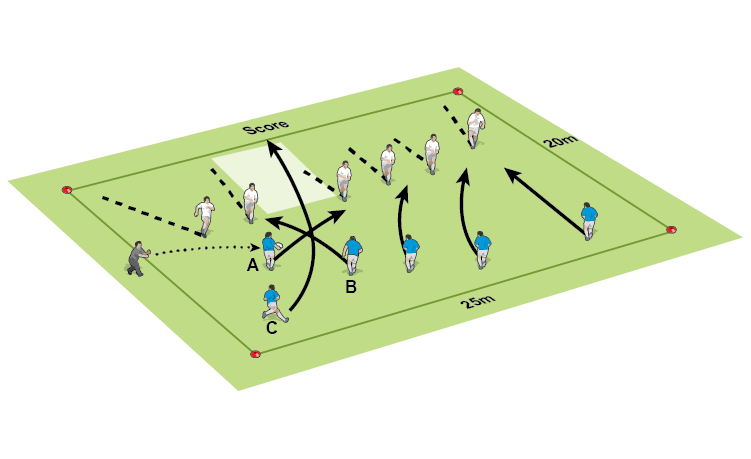
For example, in the touch rugby training, when the ball carrier was touched by two players simultaneously, it was a turnover. The key to those decisions was that there was a risk and reward. While the turnover was the reward, the risk was leaving space elsewhere in the defensive line.
Since that article, I’ve upped the risk/reward in many of the games I use in training. The defenders have become more aggressive, with increased line speed, hunting for double tackles (if that’s the rule), interceptions or targeting specific players. I continue to use the rule that the attacking team keep the ball if they score. Also, in many of the games, they don’t have a limit on the number of rucks or tackles they can sustain before a turnover.
An interesting consequence of this type of training is that attacks can find themselves being pushed further and further back, crossing a significant psychological line, their own try line. This induces even more panic, mistakes and quick turnovers.
Let’s get physical
Players also need to make tackle decisions. That is, they need to use the best tackle to gain the maximum effect. Sometimes, a tackler is happy to complete the tackle or at least act as an effective speed bump before a team mate finishes off the job.
However, some, or even many, of your players are strong enough to force a better outcome. They might be able to chop down the ball carrier quickly enough to create an opportunity for another defender to steal the ball. Or, if the attacking team has a strong offloading game, tackle the ball, so the attacker can’t pass away from contact.
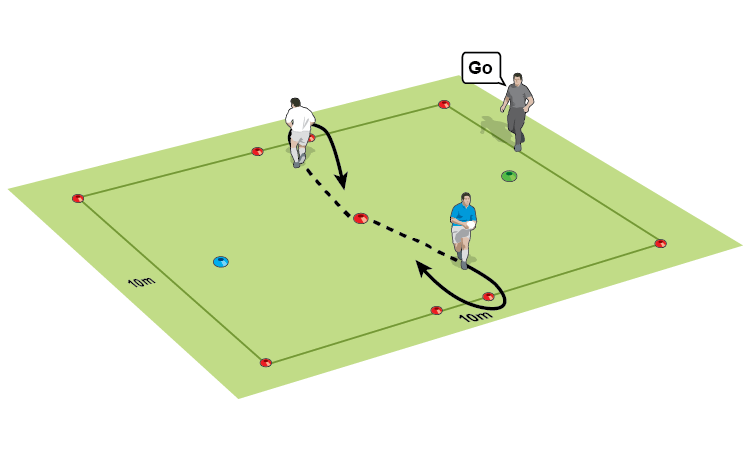
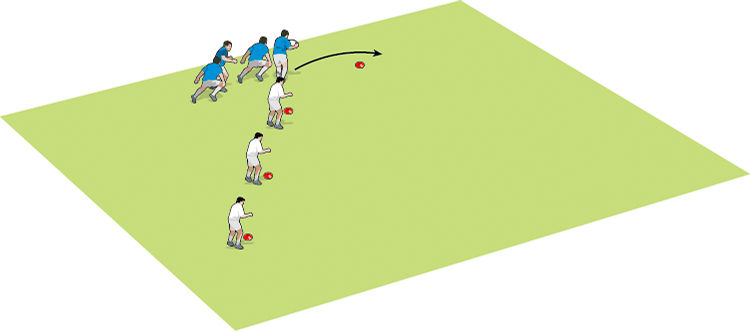
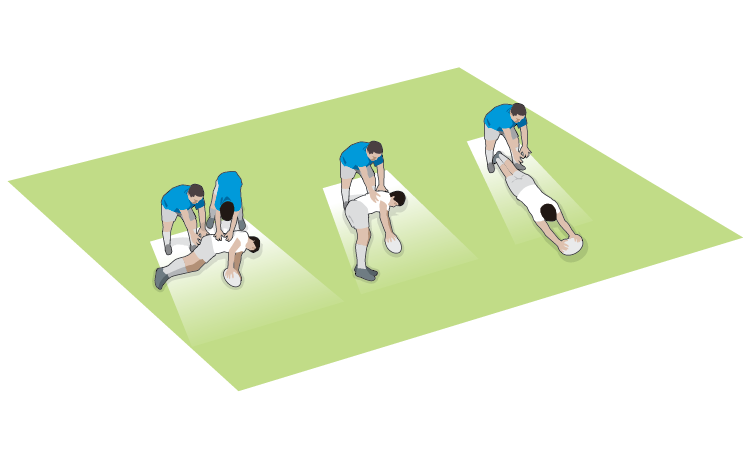
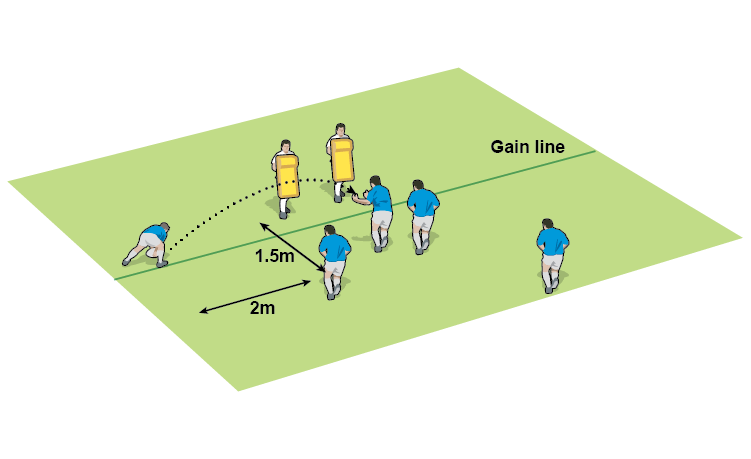
While we can practise each type of tackle in isolation, it’s often better to do this where there’s a decision to be made. For example, Height is right works on tackle heights and the tackler doesn’t know which direction the ball carrier will be coming from.
Effective coaching doesn’t stop the play
The irony of coach education is that you have to sometimes break the rules to draw out a point.
For example, I will use lots of games in my opening practical session. If I was running a normal rugby practice, the game would continue to go for long periods of time, with only extremely brief stops to throw in a new rule or to swap players around.
In a coach education environment, you need to draw out multiple points and cover lots of different games. You are stopping and starting all the time, something the coaches find frustrating. They just want to keep playing. In a sense, that shows them how their own players feel when they pause the game.
In a team environment, you want the players to explore, come up with solutions, test themselves out and enjoy themselves too. Every time you stop, the players are really waiting for you to restart, not focusing on what you are saying. That’s why you have just one game and let it flow. You add in only a very few variations and plenty opportunities for them to play.
So, you avoid stopping if you can. Research shows that few players listen at these stoppages anyway. They just want to get on with it. But research also tells us that we need to make players aware of their successes, possible points for improvement or where they might need to reconsider their decisions.
If you’ve got two coaches, one can be refereeing the game, and the other can be making comments on the run, moving in and out of play to make suggestions. If it’s just you, you could make a player (or injured player), the referee.
For more thoughts on this type of specific feedback in exercises, not just games, look at Don’t teach 2v1s, coach them from former Wallabies coach, Nick Scrivener.
Related Files

Dan Cottrell
Latest Issue

Subscribe Today
Premium Books
Subscribe Today

Newsletter Sign Up
Coaches Testimonials

Colin Shaw

Gary Lee Heavner
Subscribe Today
Latest Issue
Be a more effective, more successful rugby coach
In a recent survey 89% of subscribers said Rugby Coach Weekly makes them more confident, 91% said Rugby Coach Weekly makes them a more effective coach and 93% said Rugby Coach Weekly makes them more inspired.
Get Weekly Inspiration
All the latest techniques and approaches


Rugby Coach Weekly offers proven and easy to use rugby drills, coaching sessions, practice plans, small-sided games, warm-ups, training tips and advice.
We've been at the cutting edge of rugby coaching since we launched in 2005, creating resources for the grassroots youth coach, following best practice from around the world and insights from the professional game.
