
 close
close


 LOGIN
LOGINRugby Coach Weekly is the largest digital resource for youth coaches, trusted by 15,000+ coaches, teachers and parents every month.
-
Coach with confidence
-
Improve your teams faster
-
Run great sessions with less effort
- Expert coaching advice from TOP Coaches
- Training sessions for players from U6 to U17+.
Four golden rules of slow ruck ball


Slow ball from a ruck situation is any ball which gives the opposition defence time to get organised. It has three common causes, all of which relate to the quality of the players' skills:
- Poor ball presentation.
- Poor rucking from the support players.
- Poor positioning from the next group of runners.
As a result of these, the passing player, usually the scrum half (9), is unable or unwilling to pass the ball away.
The golden rules
To speed up, even benefit from slow ruck ball, teams can follow these four golden rules:
- The next ball carrier must get over the gain line.
- The support players must be close to the ball carrier.
- Teams should not try to attack wide out from slow ball.
- Teams should appreciate that you "can't slow down slow ball".
Slow ruck ball can, therefore, allow you the luxury of being able to take your time to get the right players in the right place for the next phase of attack.
Here are two tactics you can then use to speed up possession following slow ball.
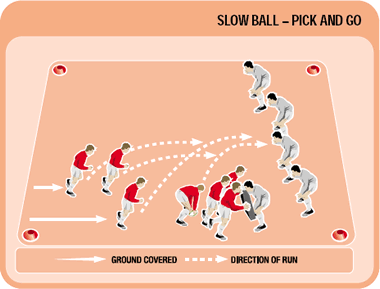
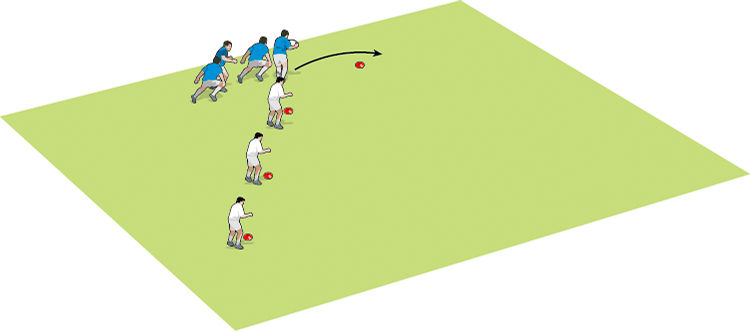
1. Pick and go
Pick and go is an effective way to turn slow into quick possession. Don't overuse it, as it becomes easy to defend (and is pretty boring for the players too).
Get one of your best ball carriers at the back of the ruck. The player with the lowest centre of gravity is usually the best option.
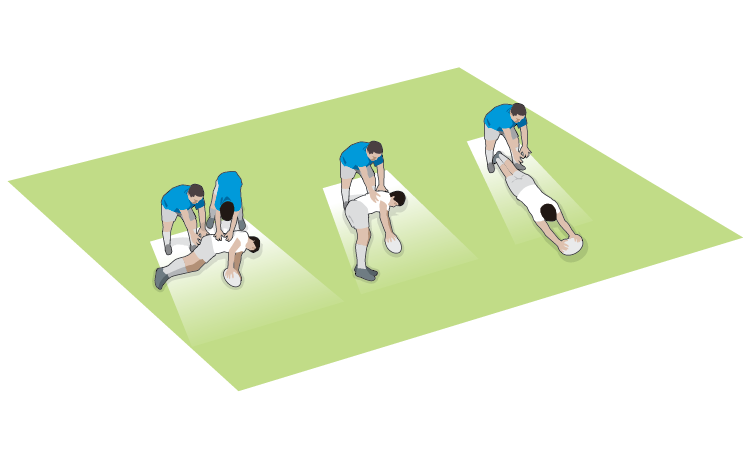
He picks up the ball and runs in a low position round the side of the ruck, driving low into a defender. He aims to drive for two or three steps and then go to ground, making sure the ball is well presented.
You must have two or three support players very close to him. They can help the ball carrier's drive, but must ruck over once he goes to ground.
Your scrum half (9) must then be positioned so they can get the ball away quickly.
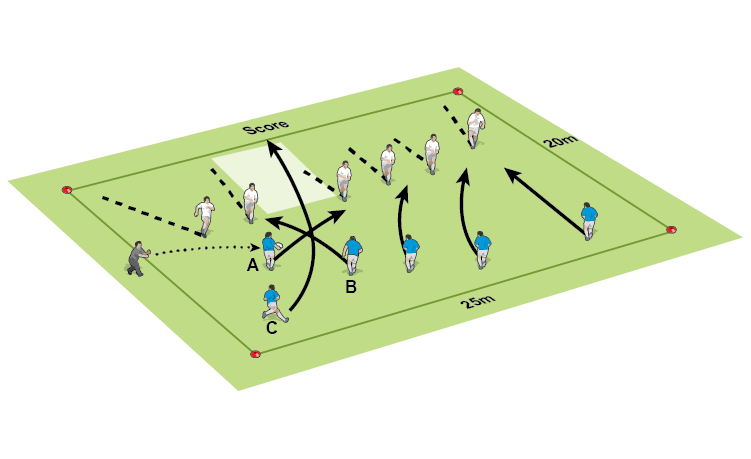
2. Runners off 10
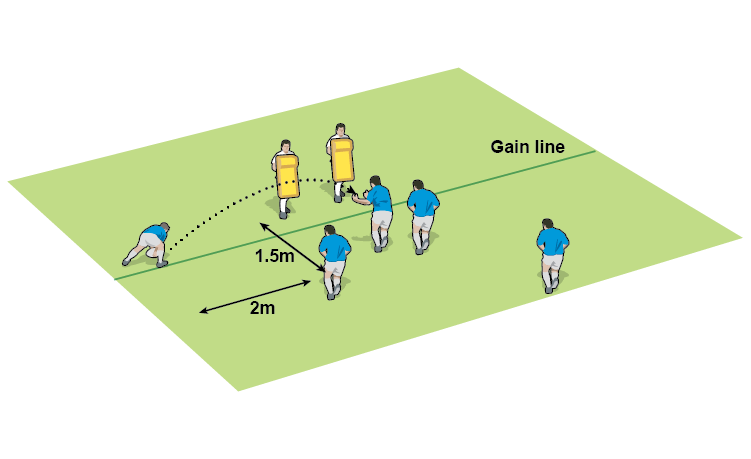
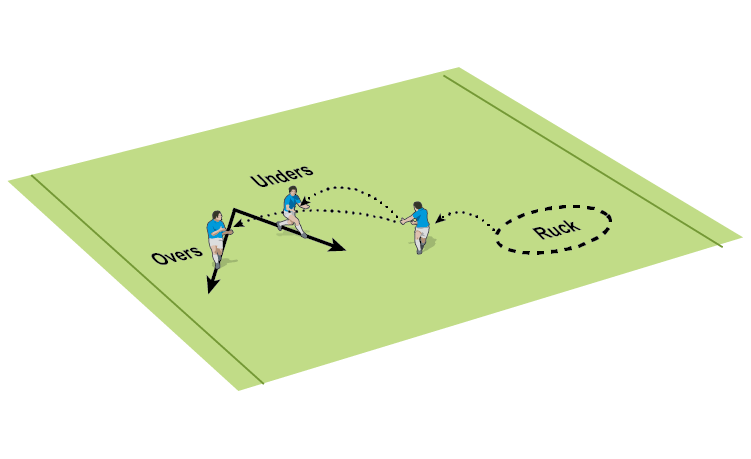
Getting players to run a bit wider off the fly half (10) can be more effective than getting a player to run off a pass from the scrum half (9). Have a couple of your best ball carriers in position, one either side of your 10. Make sure you have support players close behind these players.
The 10 makes a decision about which runner to give the ball to. The ball carrier's aim is to run at space and get in behind the defender. The support players should stay as close as possible to the ball carrier and react to what happens.
This article is taken from Rugby Coach Junior. Join today and every week I'll send you more ideas about the methods you can adopt to coach younger players, the ways you can improve their skills and the tactics you can use in your matches.
Click here to sign up today for an 8 week, 97p trial offer. Delivered as a PDF, you'll then receive your first 3 issues straight away, with the others sent to you on publication each week.

Dan Cottrell
Latest Issue

Subscribe Today
Subscribe Today
Newsletter Sign Up
Coaches Testimonials

Colin Shaw

Gary Lee Heavner
Subscribe Today
Latest Issue
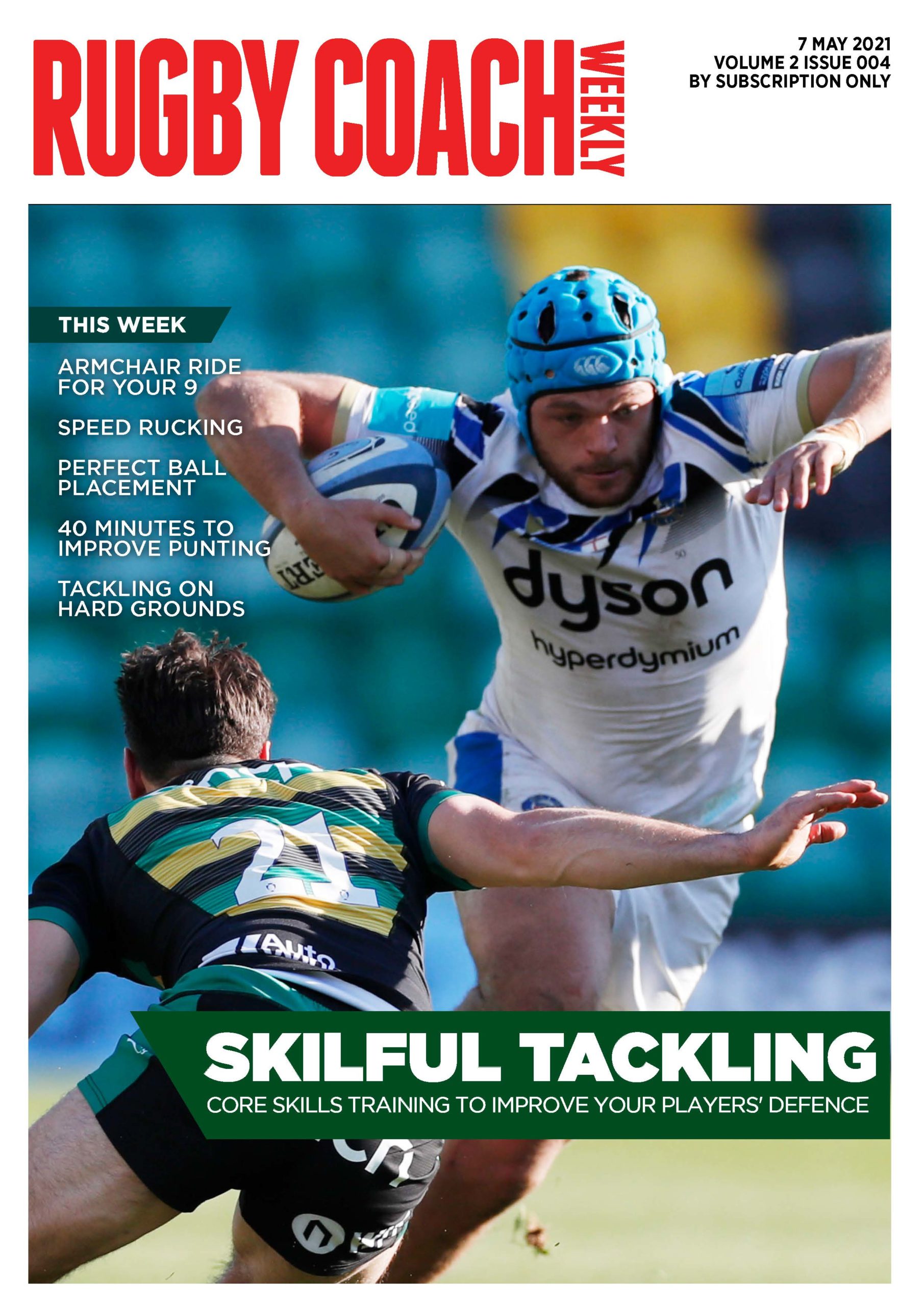
Be a more effective, more successful rugby coach
In a recent survey 89% of subscribers said Rugby Coach Weekly makes them more confident, 91% said Rugby Coach Weekly makes them a more effective coach and 93% said Rugby Coach Weekly makes them more inspired.
Get Weekly Inspiration
All the latest techniques and approaches


Rugby Coach Weekly offers proven and easy to use rugby drills, coaching sessions, practice plans, small-sided games, warm-ups, training tips and advice.
We've been at the cutting edge of rugby coaching since we launched in 2005, creating resources for the grassroots youth coach, following best practice from around the world and insights from the professional game.
