
 close
close


 LOGIN
LOGINRugby Coach Weekly is the largest digital resource for youth coaches, trusted by 15,000+ coaches, teachers and parents every month.
-
Coach with confidence
-
Improve your teams faster
-
Run great sessions with less effort
- Expert coaching advice from TOP Coaches
- Training sessions for players from U6 to U17+.
A breakdown policy: If you don’t have one, you should


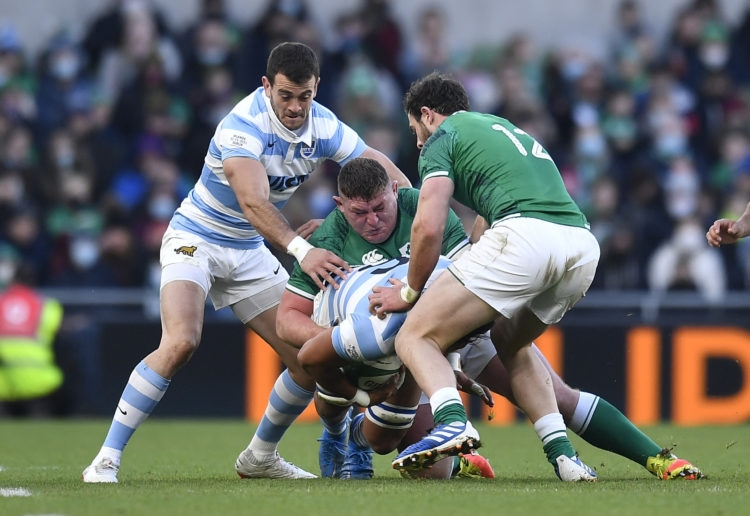
Do you have a breakdown policy? If not, you should. A policy helps guide players' actions at the breakdown. Alongside accurate skill execution, it can help to win the race to the space over the ball after a tackle.
Having a breakdown policy does not replace good decision-making but, when executed well, it can greatly enhance it.
So, what does a breakdown policy look like?
BREAKDOWN POLICY MUSTS
Most teams will include a list of non-negotiable points in the policy. These would usually include:
The ball carrier
- Carry with evasion
- Leg drive after the tackle
- Present the ball
The support players
Two support players over the ball carrier
- Remove threats
- Control space over the ball
- Other teams may go deeper and include these:
- Fight to stay up
- Ball presentation outside place or inside place
- Control top shoulder
- Fight on ground
- Always clean over the ball - often at the head of the ball carrier
- Numbers to the breakdown as needed
- Take space past the ball
- Tackle the tackler - create a ‘speed bump’
- Move ball if available
Actions may be further detailed based on the answer to these questions:
> Is it a defensive breakdown or an attacking one?
> Quick ball or slow ball?
> Are we kicking from the breakdown?
> Where on the field are we?
There’s a lot of technical expertise and jargon that needs explanation here.
THE BALL CARRIER
Let’s start at the beginning with the carry. A good carry (moving forward through the contact area) has a massive effect on the quality of the breakdown.
Support players are moving forward, which gives them better vision, and better vision helps make better decisions. The opposition is moving back, which means getting numbers around the ball can be difficult, and their defensive line may be jeopardised.
From a mindset point of view, a team going forward has a feeling of greater control of the situation.

In the image, we see how footwork and an attitude to run into space (or weak shoulders) helps the ball carrier make gain line plus.In the video, we see other methods such as shifting the ball one more pass or working hard when going to ground.
BALL PLACEMENT
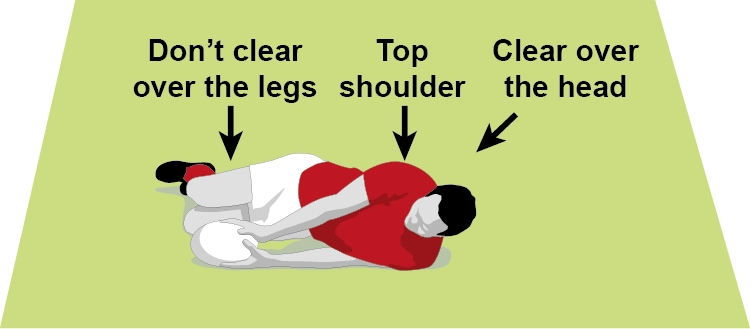
There are many methods used for ball placement, and most are governed by the speed of the ball or the threats to it. One controlling feature is the use of the top shoulder. The top shoulder is the tackled player’s shoulder that is in the air, not the one in contact with the ground.
As a player falls in the tackle, they must protect the ball from any threats and closing the top shoulder helps do this. It is the control of your top shoulder that increases your chances of recycling the ball and hindering the opposition threats. Players cannot roll anymore, but they can certainly manoeuvre themselves to prevent a defender from reaching in for the ball.
You can see in the previous video how the top shoulder was exposed several times, but because of the powerful ball carry and the quick, accurate ball placement, the ball was recycled.
SUPPORT PLAYERS
For the support players and the opposition looking to secure the ball, it is all about the race: The race to get over the ball to protect against the opponent who is looking to steal or slow down the ruck. In these images, we see two clean steals by opposition players who won the race to the space over the ball.
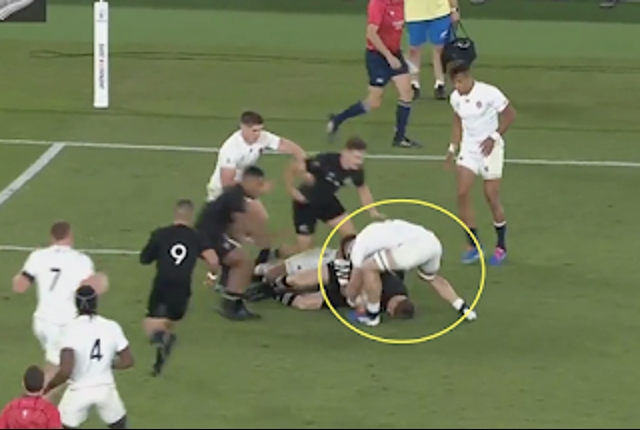
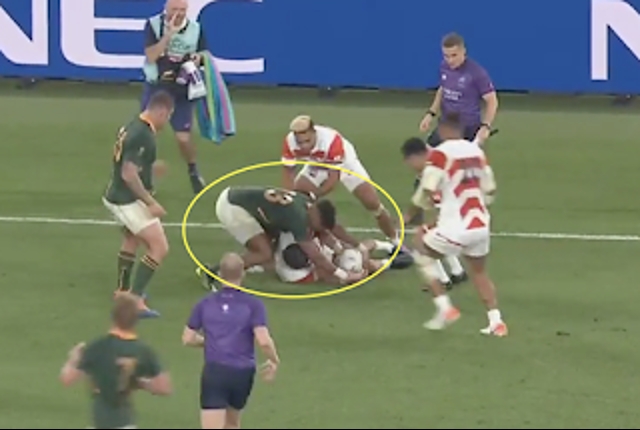
The video shows how, in both situations, the players stealing the ball quickly get their hands to it as they turn their hips to face upfield.
Each one tracks over the head of the ball carrier, giving them clear access to the ball, while their most imminent threats are tracking around the legs of the player on the ground.
Tracking around the legs in this way makes it harder to get to the ball first and difficult to get their hips around to face upfield and drive forward.
BALL PLACEMENT POLICY
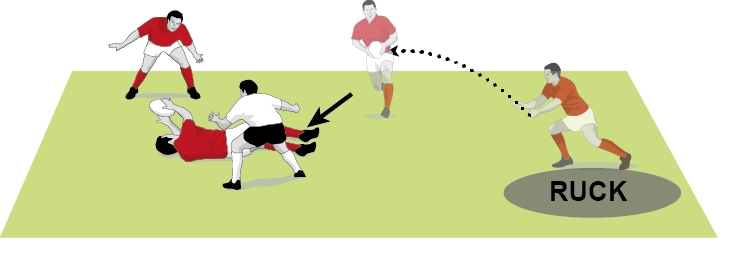
To increase the odds of winning the race to the ball, a coach should have a policy on ball placement. For example, getting the tackled player to always place the ball on the outside gives the support player a better advantage of getting to that space first.
This can be difficult to do but, with practice, it makes all the difference.
Some teams may refine the policy even further and have the ball carrier turn to the direction of the next phase or always place it differently when on the edges. This sort of detail would be a coach’s call based on their game plan in attack.
DEALING WITH THREATS
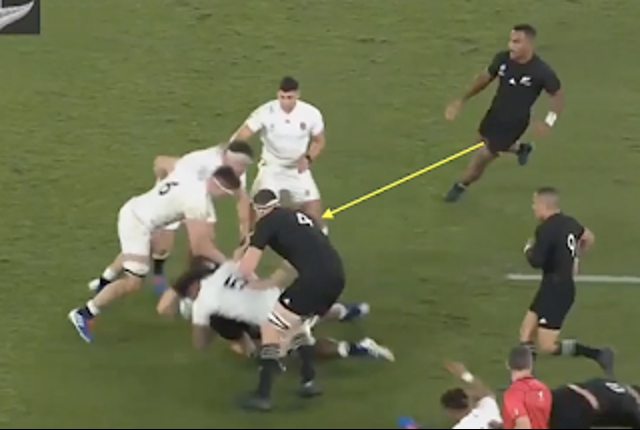
These images highlight the players that are in a far better position to win the race to the ball by cleaning out over the head of the player on the ground. The image below shows the ball is turned over, while in the second image on the right, the ball is slowed down.
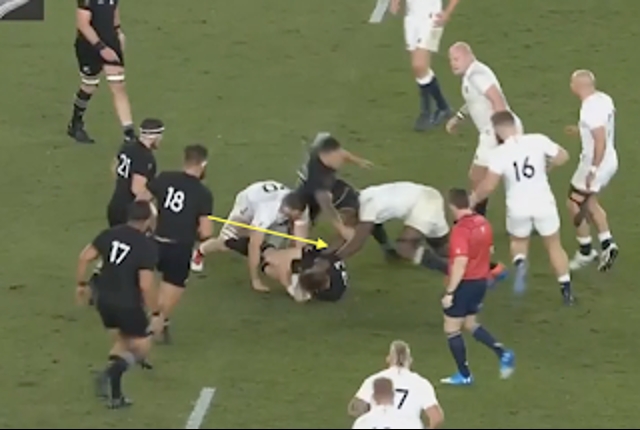
Both examples have the players removing the threats on an angle and travelling around the legs of the player on the ground. In the turnover, the opposition was quickly into a strong position: low, with hips pointing upfield.
With the slower ball clip, notice how a defender on the far side had just enough time to adjust and get to near side, giving them one more player in the defensive line.
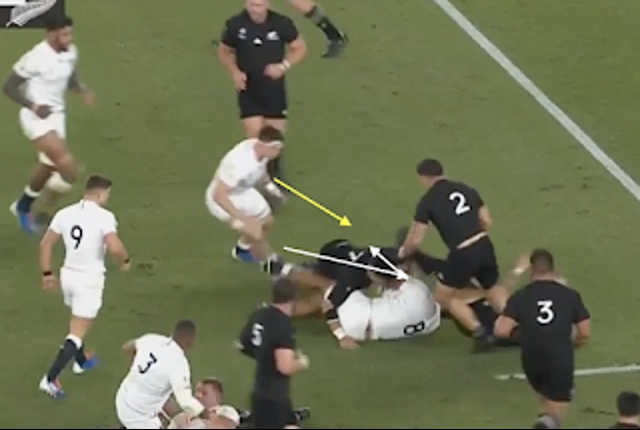
The above image shows how a player running on an extreme angle can still turn in to increase the chances of his support player winning the race and tracking over his head. The final section of the video also shows how the threat of Ardie Savea is removed from the next phase.
In the next image and its accompanying video, notice how the players clean out as a compact and powerful unit, going beyond the ball and putting the immediate threats on the ground.
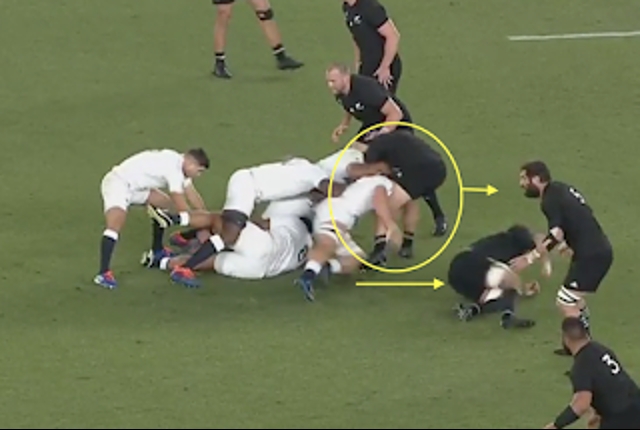
With the ball quickly away, those players on the ground provide an obstacle or ‘speed bump’ for the defenders’ fold. The fold is where the defenders run into position from the previous ruck.
There are variations of this method but, most commonly, it would be part of a policy to ‘tackle the tackler.’
WINNING THE CONTACT
As coaches, we often use terms like ‘win the shoulder battle’ or ‘shoulder under sternum’. These are useful terms I encourage you to use.
However, there are times when this is impossible. In those situations, speed into contact and leg drive become key elements when removing a threat – whether that is a threat to the ball or a threat to attacking momentum.
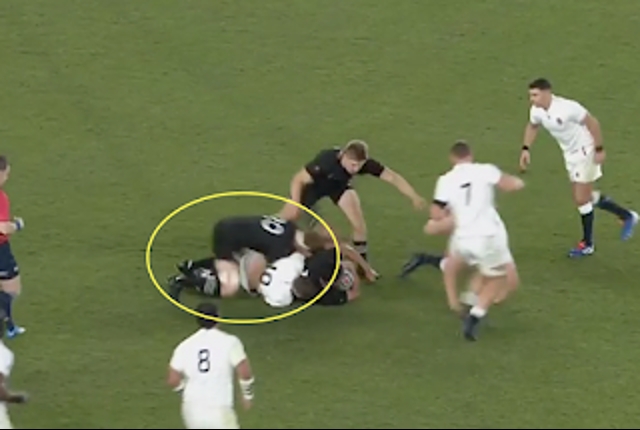
This image shows a player who has fallen on the wrong side of the breakdown and is potentially slowing the attack. The only way to quickly remove this player is to get low and activate leg drive to drive them away from the ball. The video shows Sam Cane doing exactly that.
WIN THE BREAKDOWN, WIN THE GAME
The examples shown here are just a few of the methods used to help a coach establish their breakdown policies. If you’re still not sure you need a policy, consider this - The breakdown is such a huge part of the game that leaving it to chance could make all the difference between winning and losing. It’s an adage but is as true as ever - ‘win the breakdown, win the game.’
Related Files

Dan Cottrell
Latest Issue
Subscribe Today
Subscribe Today
Newsletter Sign Up
Coaches Testimonials

Colin Shaw

Gary Lee Heavner
Subscribe Today
Latest Issue
Be a more effective, more successful rugby coach
In a recent survey 89% of subscribers said Rugby Coach Weekly makes them more confident, 91% said Rugby Coach Weekly makes them a more effective coach and 93% said Rugby Coach Weekly makes them more inspired.
Get Weekly Inspiration
All the latest techniques and approaches


Rugby Coach Weekly offers proven and easy to use rugby drills, coaching sessions, practice plans, small-sided games, warm-ups, training tips and advice.
We've been at the cutting edge of rugby coaching since we launched in 2005, creating resources for the grassroots youth coach, following best practice from around the world and insights from the professional game.
