
 close
close


 LOGIN
LOGINTrain smarter now
Emily Pratt, the England Women’s U20s S&C lead coach, explains how athletic development helps girls train smarter, avoid overload, and build futures beyond wins.


The bigger gap
In recent years, the girls’ game has grown at pace. More players, better competition, and clearer pathways have created opportunity. But growth also exposes gaps, particularly in how we physically prepare young female players for the demands of rugby.
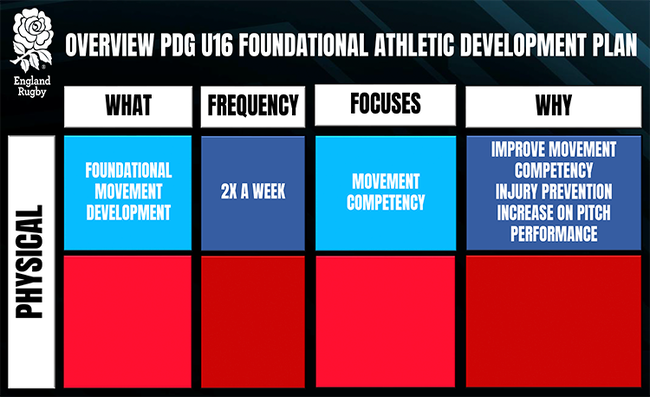
Emily Pratt has been central to addressing this challenge through the rollout of the Girls U16 Foundational Athletic Development and U18 Athletic Development programmes. Her message is simple but powerful. If we want more girls to reach the top of the game, we must stop relying on chance and start planning for the long term.
Hidden overload
Too often, talented players progress through club, school, and county rugby with good intentions but limited structure. Sessions stack up. Weeks become crowded. Physical development becomes reactive rather than purposeful.
Players work hard, but not always wisely.
Emily’s programme flips that model. Instead of asking players to do more, it asks them to do better.
Long view wins
At its core is a long-term athletic development mindset. The aim is not short-term dominance at 15 or 16, but giving players the physical tools to cope with the speed, power, and robustness required at the highest level later on.
Speed, strength, stamina, and resilience are not left to chance. They are deliberately built, layered, and revisited over time.
The quiet gap
One of the most striking insights Emily shares is the idea of the “invisible gap”.
On the surface, two players may appear similar. Both train regularly. Both play for good teams. But over time, the player following a structured athletic programme quietly pulls away. They move better. They recover faster. They tolerate load. They stay available.
That gap rarely shows up immediately. It appears two or three seasons later, often when selection tightens and physical demands spike.
Fit the week
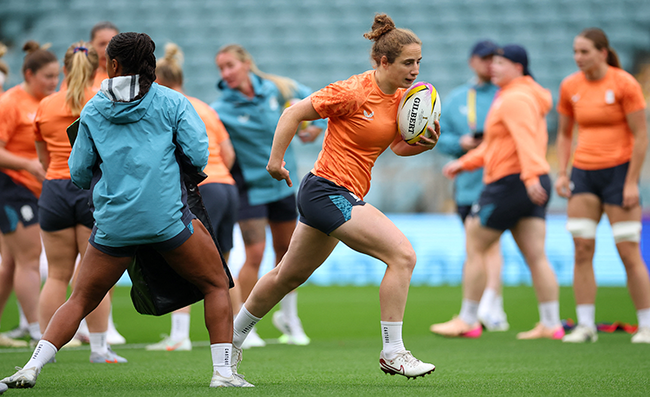
A major strength of the programme is how it fits around the player, rather than competing with everything else in their week.
Emily is clear this is not about replacing club or school training. It is about complementing it. Players are given clear guidance on how to balance sessions, where to prioritise rest, and how to spot early signs of overload.
This is especially important in the girls’ game, where enthusiasm and reliability can become risk factors.
Creating buy-in
Not every player arrives motivated by athletic development. Some just want to play.
The programme builds engagement by making progress visible, sessions purposeful, and outcomes relevant to performance. Players feel faster, stronger, and more confident. That feedback loop matters.
Girls specific
There are also important differences between boys and girls at this age. Emily highlights the need to focus on strength development, robustness, and movement quality, particularly around landing, deceleration, and change of direction.
These are not weaknesses. They are trainable qualities that need time, coaching, and patience.
Coach takeaway
For coaches, the message is clear. Athletic development is not an add-on. It is a foundation.
When done well, it supports skill, confidence, and availability. When ignored, it quietly limits potential.
Train smarter now, and the game benefits later.
Who it’s for
|
Related Files

Latest Issue

Subscribe Today
Subscribe Today
Newsletter Sign Up

Coaches Testimonials

Colin Shaw

Gary Lee Heavner
Subscribe Today
Latest Issue
Be a more effective, more successful rugby coach
In a recent survey 89% of subscribers said Rugby Coach Weekly makes them more confident, 91% said Rugby Coach Weekly makes them a more effective coach and 93% said Rugby Coach Weekly makes them more inspired.
Get Weekly Inspiration
All the latest techniques and approaches


Rugby Coach Weekly offers proven and easy to use rugby drills, coaching sessions, practice plans, small-sided games, warm-ups, training tips and advice.
We've been at the cutting edge of rugby coaching since we launched in 2005, creating resources for the grassroots youth coach, following best practice from around the world and insights from the professional game.
