
 close
close


 LOGIN
LOGINRuck decision-making
Editor Dan Cottrell adds further context to two sessions.

To go or not to go to the next ruck is a constant question most forwards face.
Too many players and the ball is slowed down by the mass of bodies, and the next breakdown is not well supported; or, forwards hang back and you lack numbers.
However, this is not just a problem for forwards. All players need to support at rucks, and that means backs doing their fair share.
But forwards make more of a difference in the physical contest and you want to keep your backs on their feet to run at gaps if possible.
Accept that some forwards will be better ruckers than others, in part because they make more breakdowns.
So, don’t get too obsessive with running complicated patterns of plays with ’pods’ of forwards clearing out defined rucks. It is better to make players aware of what is in front of them so they can decide whether to ruck or not.
There are three ways to help your players know when to ruck:
1. ’Upskill’ their rucking
Create confidence to make a difference at a ruck and, therefore, be motivated to do so.
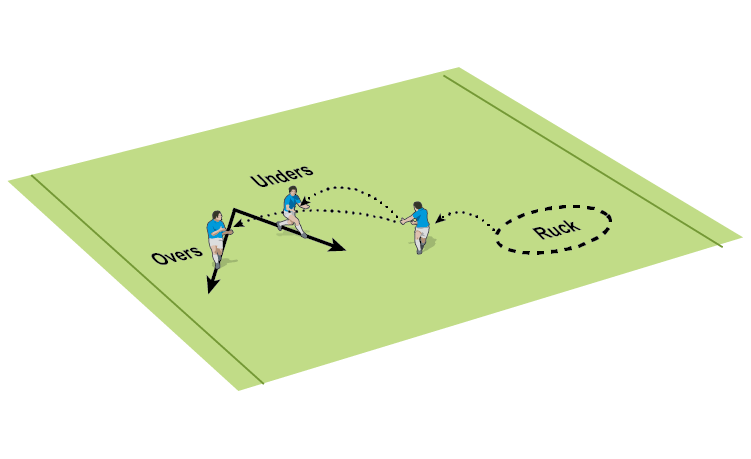
Sean Holley uses ruck circles (see page 4) to help players assess their right course of action.
2. Improve their match awareness
Show them footage of their matches and ask them to identify where they should be/have been, or freeze a practice match and show players where they are at key times and where they should have been.
3. More live situations
Use training games where players need to decide whether to ruck or not.
The Wallabies talk about ’contact motivation’ in their preparation for tests. Help players be ready to ruck, confident to ruck and see the value of rucking. That will improve their ability to know when to ruck.
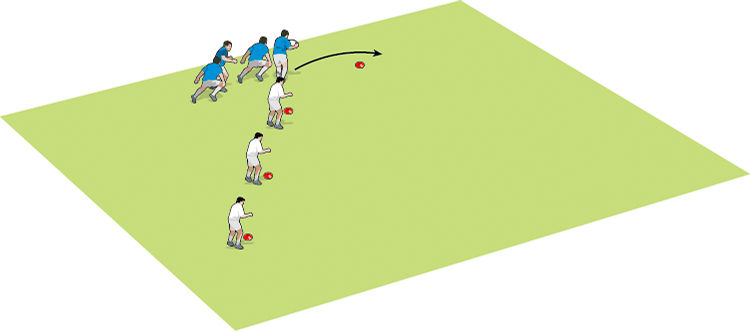
This continuous rucking exercise enhances player ability to get back into the game and ruck effectively.
Do you know the ruck laws?
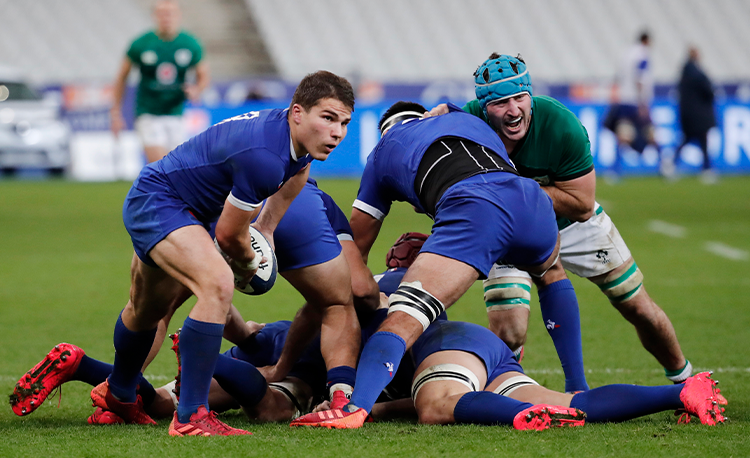
A ruck is formed when an attacker is over the ball on the ground at the tackle. They don’t have to be in contact with an opposition player. There is an offside line across the pitch.
In theory, the attacking player isn’t making contact with their tackled team-mate, so their hands are free and their head isn’t below their shoulders. In practice, that might look a little different!
Be a more effective, more successful youth rugby coach
- Win more games, without sacrificing the crucial element of fun
- Develop every player, regardless of vast differences in ability
- Run a respected, professional programme - even with a full-time job and limited time
Subscribe for full access
Or register and unlock 2 free articles,
receive our weekly newsletter, and
get a FREE coaching e-book.
Or if you are already a subscriber login for full access.

Dan Cottrell
Latest Issue

Subscribe Today
Subscribe Today
Newsletter Sign Up
Coaches Testimonials

Colin Shaw

Gary Lee Heavner
Subscribe Today
Latest Issue
Be a more effective, more successful rugby coach
In a recent survey 89% of subscribers said Rugby Coach Weekly makes them more confident, 91% said Rugby Coach Weekly makes them a more effective coach and 93% said Rugby Coach Weekly makes them more inspired.
Get Weekly Inspiration
All the latest techniques and approaches


Rugby Coach Weekly offers proven and easy to use rugby drills, coaching sessions, practice plans, small-sided games, warm-ups, training tips and advice.
We've been at the cutting edge of rugby coaching since we launched in 2005, creating resources for the grassroots youth coach, following best practice from around the world and insights from the professional game.
