
 close
close


 LOGIN
LOGINRugby Coach Weekly is the largest digital resource for youth coaches, trusted by 15,000+ coaches, teachers and parents every month.
-
Coach with confidence
-
Improve your teams faster
-
Run great sessions with less effort
- Expert coaching advice from TOP Coaches
- Training sessions for players from U6 to U17+.
Box kicking essentials
Editor Dan Cottrell adds further context to two sessions.



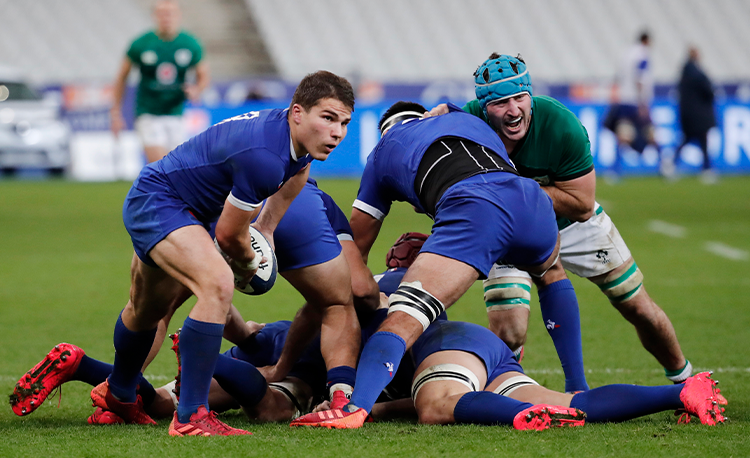
The “box kick”, a high kick launched off 9 into the space behind the forwards, is usually seen as a relieving kick from defensive positions less than 30m from your own goal-line.
However, many teams who like to force errors out of their opponents will use the box kick from much further up the field - such as between the two 22s.
The four key points are as follows:
1. Field position
You do not have to make the box kick directly from the lineout or scrum.
Throw in an extra phase to take play up the field to give the kick an attacking flavour. This will draw up the defence and increase your options.
2. Set the kick
Once you have secured the ball, to ensure that the kick from the 9 is unimpeded, call in an extra two players to create a long ruck for the 9 so that their kick cannot be blocked.
They bind one behind the other, so the back foot of the ruck is further from the defence.
3. Hang time
To be effective as an attacking tool, the box kick needs to travel approximately 20 to 30 metres and stay in the air for over four seconds.
4. Chase quality
Ideally, there should be at least three chasers – one outstanding aerial athlete to contest for the kick itself and one chaser to cover the space on either side and pick up any loose ball that results.
You can use the exercise on page 6 to work on the timing of the box kick for your chasers and kickers. Note that it suggests that you don’t always have to put height on the ball. If the defender is not back, you can land it on the ground and chase the bouncing ball.
In all cases, the idea is that these kicks are contestable – you are kicking to gain possession back, not to relieve pressure.
Bounce back into the game
We try to reduce the amount of jargon we use in Rugby Coach Weekly. It doesn’t always work and I am often reminded that this is the case by the guys who translate the magazine into Japanese.
However, I’m keen to use emotive phrases with the players to remind them to do something and do that something with more energy than they would do normally. If you work with teenage boys, you know that can be quite a challenge.
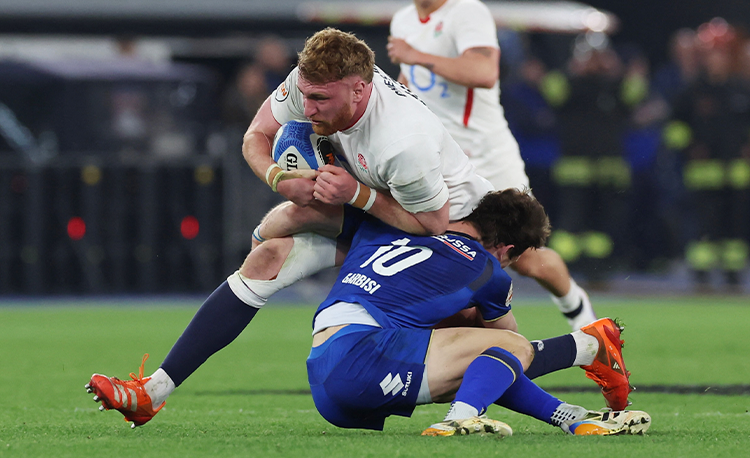
When it comes to tackling, I’m keen to ensure that the tackler puts themselves back into the game as quickly as possible. I use the common tackling phrase: “bounce back”.
The tackler completes the tackle, bounces back off the ground and then decides whether to compete for the ball or get back into the defensive line. The more time they are off their feet, the more chance there’s additional space for the attack to exploit.
While you would want every player to bounce back after the tackle, I also find it’s a good way to challenge the better tacklers to make more of an impact. So, instead of just noticing the number of tackles made, I like to point out what happened next.
It’s not just a case of making another tackle. It could be allowing other players to shift out into position to cover the next attack. Great defence is a team effort, cutting down the attacking options.
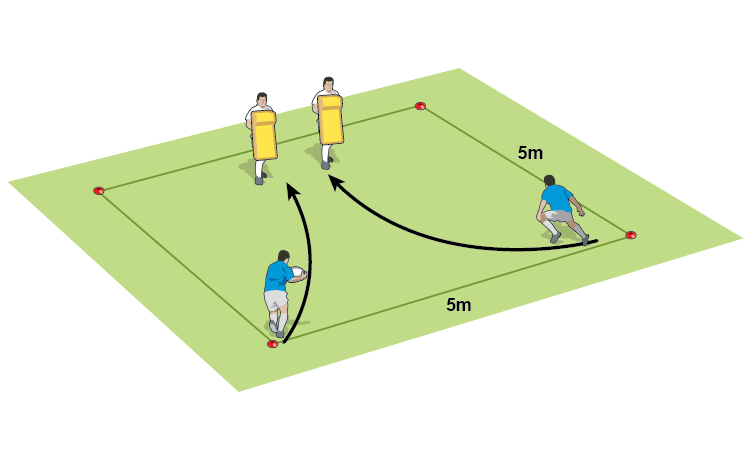
You can develop the players’ bouncability with the exercise on page 7, in which the players get a sense of regaining their feet from different and, sometimes, awkward falls after they have made a tackle. The ruck pads add a bit of fun to the initial part of the session.
Related Files

Dan Cottrell
Latest Issue

Subscribe Today
Subscribe Today


Newsletter Sign Up

Coaches Testimonials

Colin Shaw

Gary Lee Heavner
Subscribe Today
Latest Issue
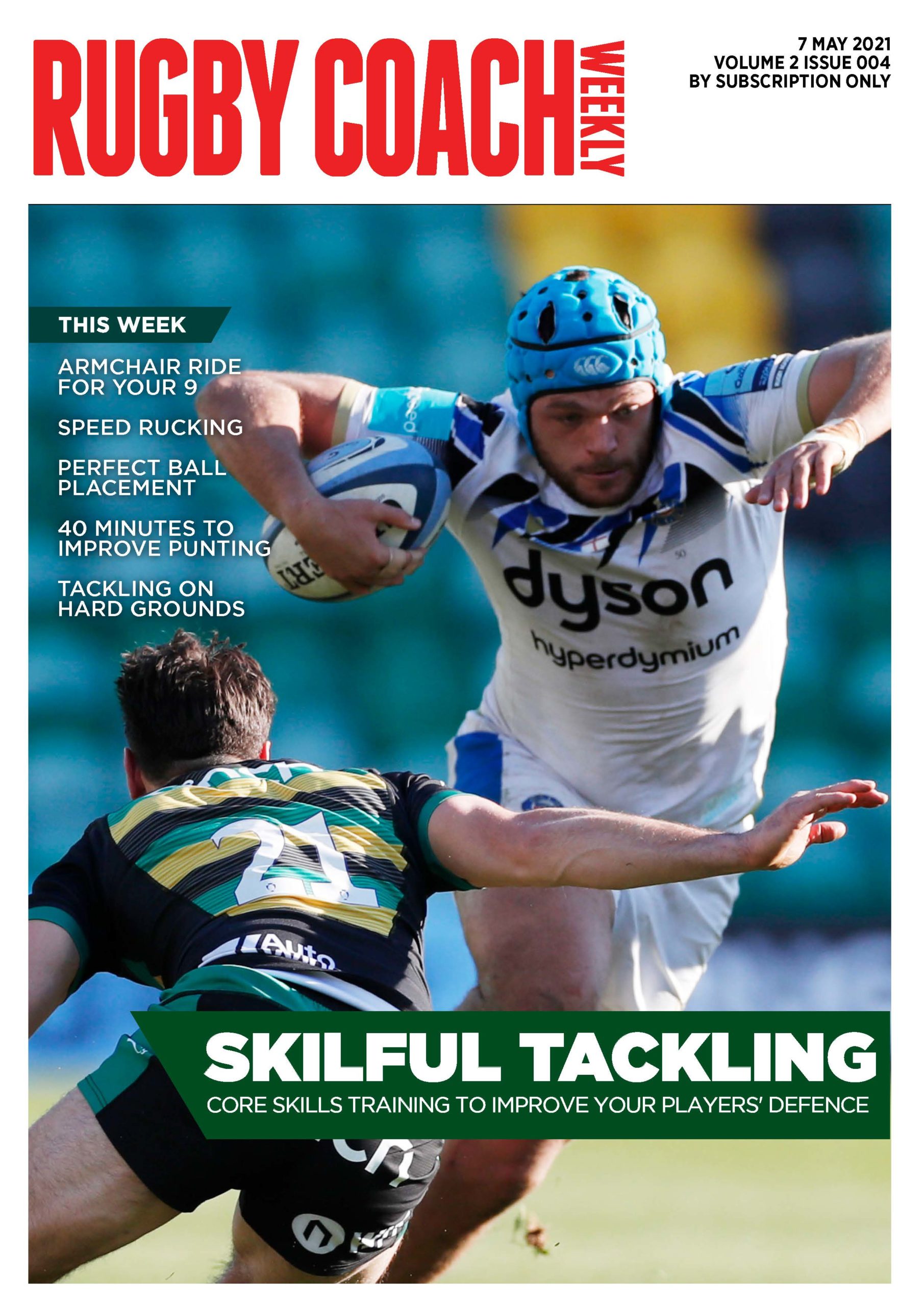
Be a more effective, more successful rugby coach
In a recent survey 89% of subscribers said Rugby Coach Weekly makes them more confident, 91% said Rugby Coach Weekly makes them a more effective coach and 93% said Rugby Coach Weekly makes them more inspired.
Get Weekly Inspiration
All the latest techniques and approaches


Rugby Coach Weekly offers proven and easy to use rugby drills, coaching sessions, practice plans, small-sided games, warm-ups, training tips and advice.
We've been at the cutting edge of rugby coaching since we launched in 2005, creating resources for the grassroots youth coach, following best practice from around the world and insights from the professional game.
