
 close
close


 LOGIN
LOGIN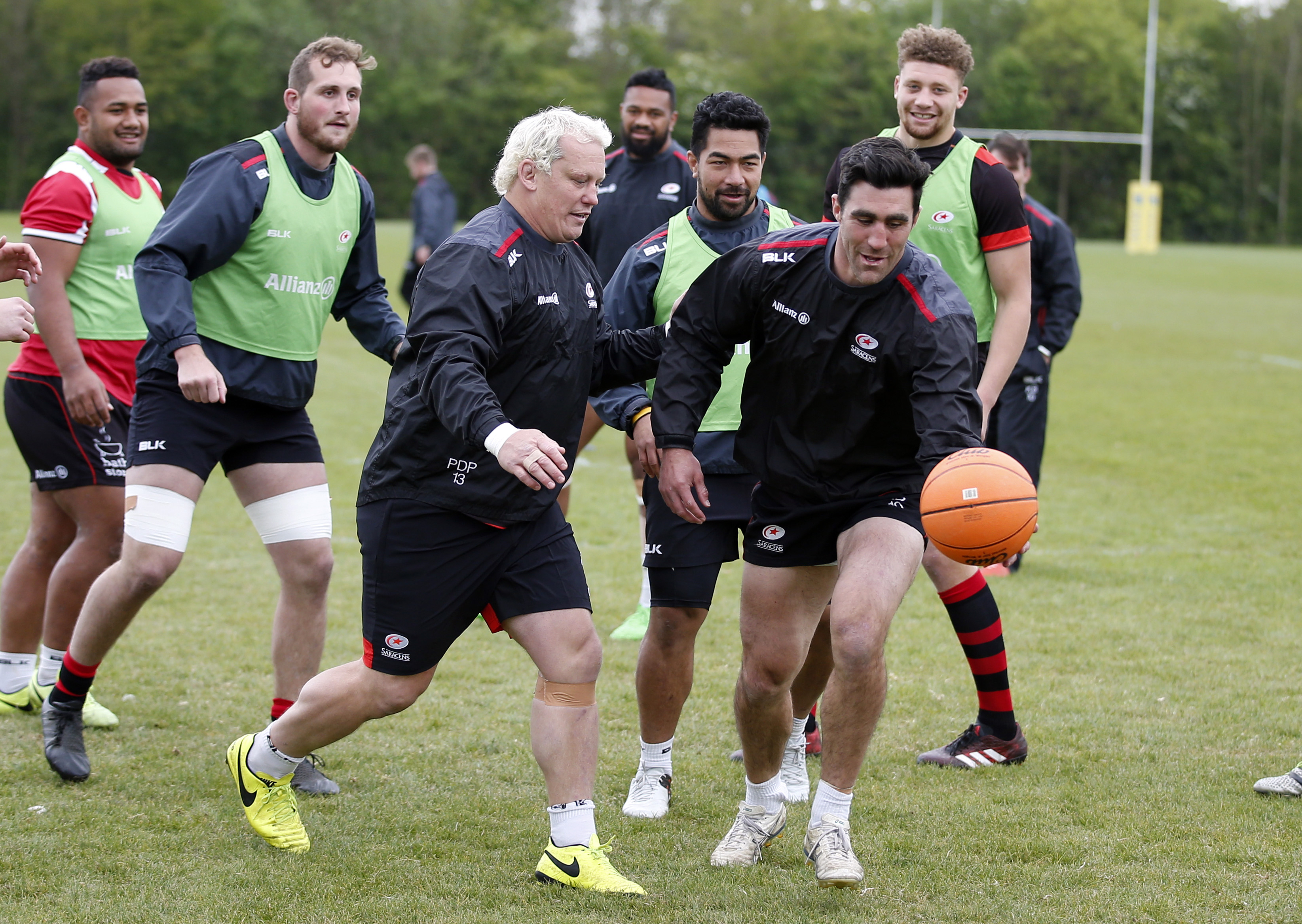
Better adaptive games
It’s not just about setting up a game and sitting back. You need a clear plan to help make the most of this powerful tool to accelerate players’ decision-making.


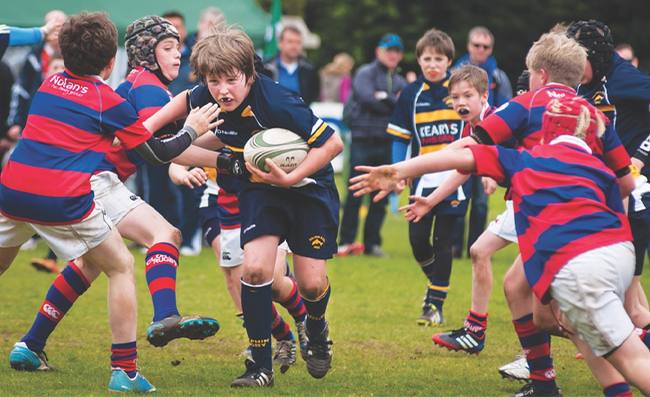
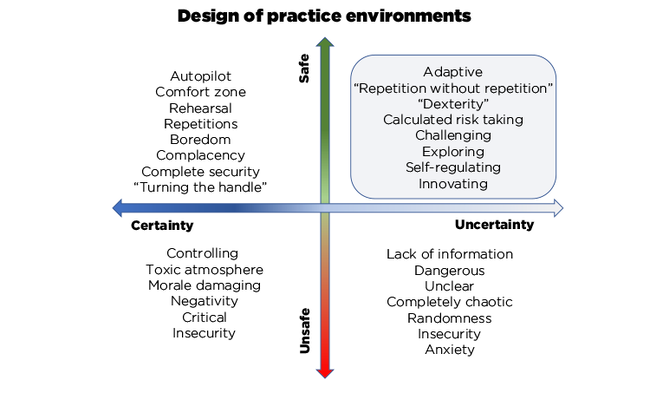
Adaptive games allow players to explore different ways to win a game, through good decision-making and skill execution.
Research says they will improve players’ learning outcomes, leading to great transfer into matches.
Make it about winning
While all games are really about developing, no game is worth playing unless there is some frustrations if you don’t win.
The mantra should be: "win or learn". It’s never about losing. If the players ’lose’, and then don’t want to win the next game, they won’t be looking for ways to improve.
Keep asking them how they can win the game. Also, ask them to look at how the other team won. What could they mimic? Or what could prevent the opposition from winning?
More than one way to win
The best games can be won in lots of ways – some of them might be ones you don’t expect.
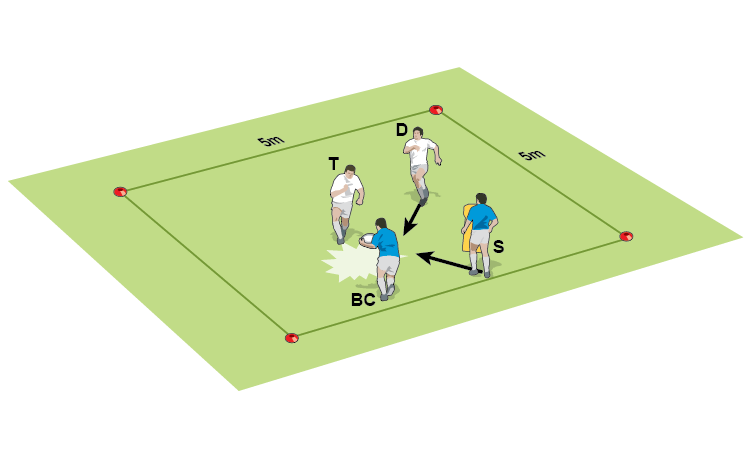
A simple 2v1 requires perhaps only one decision. How can you change that 2v1, so the players can win by not just drawing and passing?
Run the game, not the teams
During the games, you should resist from giving any tactical clues. You should only referee the game.
Though praise can be important, don’t give too much of this, either. Let your silence allow the players to find their own solutions.
Your interventions might be to suggest ideas for better skill execution. These won’t be new techniques, just reminders of what you have covered already.
Show patience
You can easily run the same game with two groups in the same session and get very different developments.
Be patient with groups that don’t progress as fast. A reason they might need time is because they perhaps aren’t mentally in the right place, or haven’t assimilated the skills in the same way as others.
Avoid adapting the game to make it easier. Just recognise that some teams will play out a 0-0 draw, while others might be involved in a 15-12 bonanza.
Reduce the rules
The simpler the game, the easier it is to play, and the more chance the players will have to develop their skills and tactical awareness.
Avoid complicated scoring systems, so players can quickly grasp what they need to do.
If you have played the game a number of times, you can add in more rules over time.
Play it again
The best games are the ones you play again.
Try a new game for a short time one week, and then play it again next time. The players will be immediately thinking of ways to win, based on their experiences last time.
This is powerful learning, because it builds on previous experiences.
Differentiate through challenges
Some players will shine in training games, and potentially dominate. Rather than handicap them, set them challenges.
Perhaps you can offer additional points for a particular skill. These are available to every player.
Alternatively, you might suggest challenges you would like the better player to complete. For example: "See if you can pass before contact, and then be ready to receive a pass in the next phase". Or you can make this a challenge between two players.
Keepy-uppy v total war
Not all adaptive games will need large numbers.
You can set one player personal challenges, such as box kicking into a target area two out of three times.
You can also play 1v1 games, such as footwork or pushing battles, or 2v2 games, that might involve passing or kicking.
When the fun stops, stop
How long should you play an adaptive game? Well, it’s often down to conditioning.
Young players can’t run and run. They need breaks. Play in bursts, rest, and then play again.
After that, judge the mood. Don’t think you need to have reached a defined outcome. Sometimes the best games finish earlier, with the players wanting one more go.
Best of rule changes
If the players are involved in developing the game, they take ownership.
However, especially with younger players, rule change suggestions can be a little too wild or silly.
You can use a ’shout-out’ type system to help your filter the rules. Say: “I’ve got a new rule in mind. Shout out your ideas and, if they are better, then we might use that one instead”.
Related Files

Latest Issue
Subscribe Today
Subscribe Today

Newsletter Sign Up
Coaches Testimonials

Gerald Kearney, Downtown Las Vegas Soccer Club

Paul Butler, Florida, USA

Rick Shields, Springboro, USA

Tony Green, Pierrefonds Titans, Quebec, Canada
Subscribe Today
Latest Issue

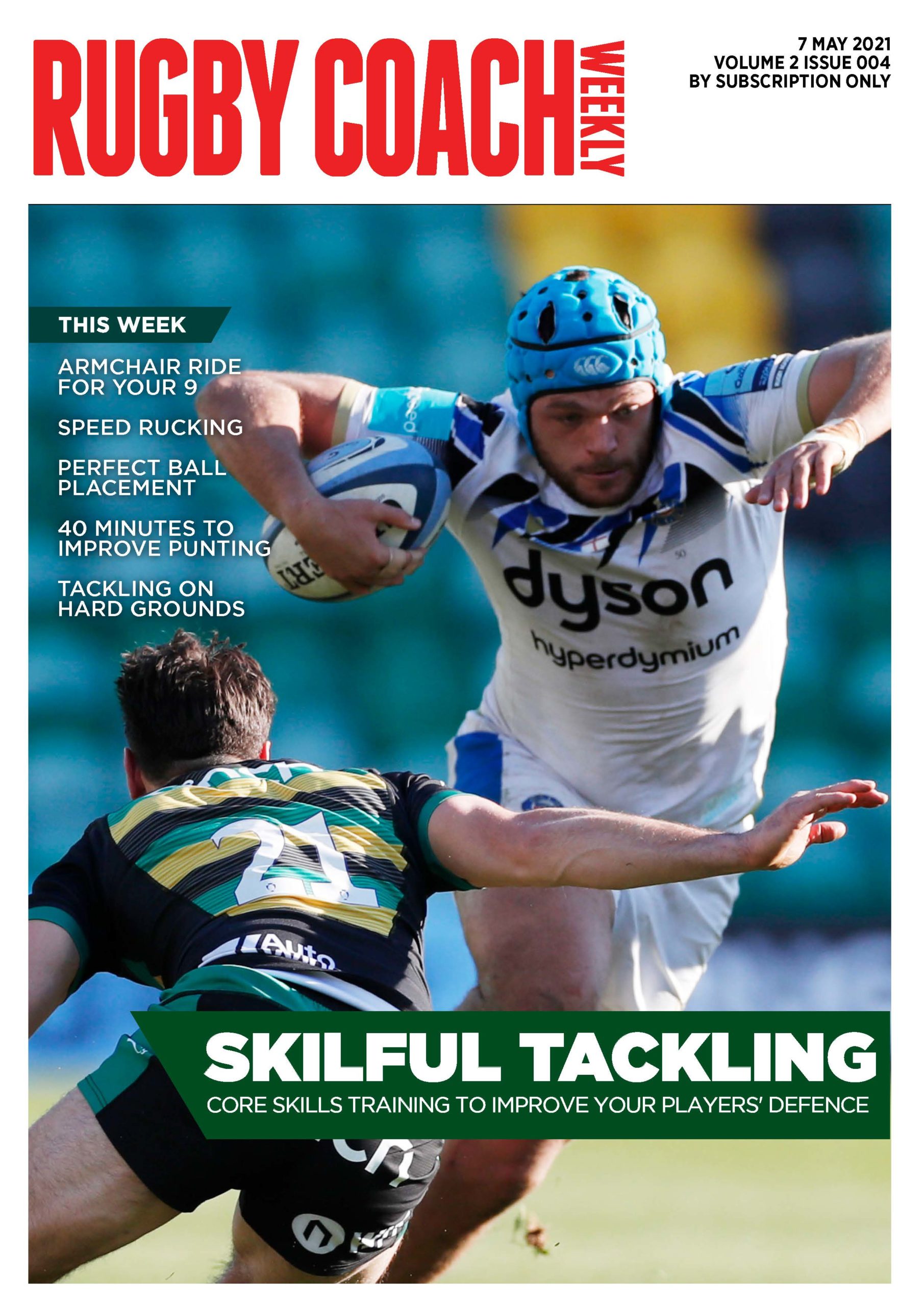
Be a more effective, more successful rugby coach
In a recent survey 89% of subscribers said Rugby Coach Weekly makes them more confident, 91% said Rugby Coach Weekly makes them a more effective coach and 93% said Rugby Coach Weekly makes them more inspired.
Get Weekly Inspiration
All the latest techniques and approaches


Rugby Coach Weekly offers proven and easy to use rugby drills, coaching sessions, practice plans, small-sided games, warm-ups, training tips and advice.
We've been at the cutting edge of rugby coaching since we launched in 2005, creating resources for the grassroots youth coach, following best practice from around the world and insights from the professional game.
