
 close
close


 LOGIN
LOGINAsk Dan: Moving from on-pitch coaching to sideline coaching
Coaching problem? Put it to our head coach Dan Cottrell. This time: Setting goals for weak tacklers.
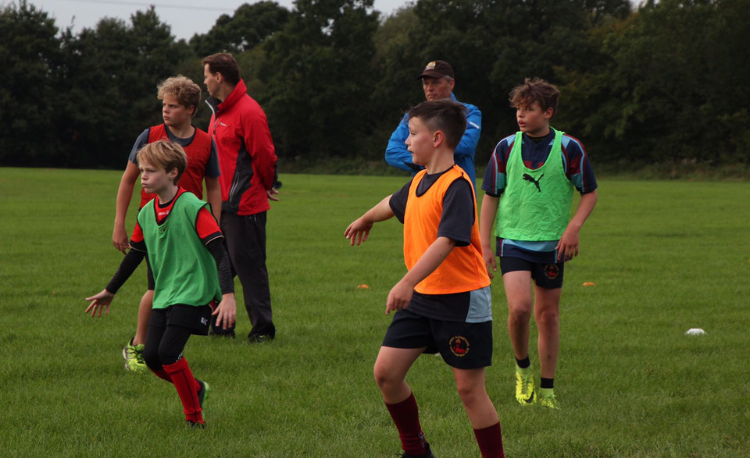
"We are moving from U10s to U11s coaching this year.
The big change, from a coaching perspective, is that the coaches are not allowed on the pitch – so, as sideline coaches, we are keen to let the boys make their own decisions and grow in confidence.
We are aware that barking orders is a diminishing return – but being solely observant could result in blatant errors or bad habits going unchecked in games, and low morale after a drubbing.
What is the correct balance in terms of providing guidance and direction?"
Any game where a coach must be on the pitch is not a game for the players. It’s more like chess for the two coaches.
Instead, you must take a giant step back. This is one of the most difficult aspects in coaching – and in life, too.
Your role from the sidelines will be encouragement and substitutions.
Encouragement that leads to learning comes from a proper conversation, not shouting from the sideline.
When there’s a break in play, or a player has been rotated, you can actually engage with them properly.
Simply shouting "Great pass!" or "Fantastic tackle!" doesn’t give a player any clues on what they did well. Applauding good play is still important. But find moments to have an eye-to-eye conversation with the players.
Substitutions should ensure every player has an equal chance to play their part. It is as important as verbal interventions. Make all the players feel valued.
Do we let them fail, then?
All failure is relative. If the All Blacks don’t win a cup, it’s a fail – if a newly promoted team stays up, it’s a success – so manage the players’ and parents’ expectations.
In terms of technique, Things which can be corrected in the future are much easier to manage. Creating tough goals make this harder. Work with the players and parents to develop the right direction.
Let them play
Provide very little correction during the game. Unless something is dangerous, or silly, then note down what you need to consider for later.
At breaks in play, like half-time, perhaps give the players some nudges on what to focus on. Make it positive.
Which one of these do you think is the most positive – "You must get lower to make more tackles", "Let’s aim to tackle lower", or "Where’s the best place to get your shoulders in the tackle, guys?".
Sometimes, you must give them immediate feedback; sometimes, you invite them to come up with answers. The best correction gives them a solution which they have a good chance of actioning.
Active coaching through observation
Once the match is up and running, watch. Make mental notes on successes and failures. Identify where the players are making improvements, and think about what they could do better.
More importantly, see how these occasions occur for a player. What picture was in front of them when they were less effective? How can you replicate that in training?
The parents will naturally be looking to you to see what you are going to do to upskill the team. Imagine what they will think if you are making notes and not shouting out instructions?
Why not have a list of your players’ names, so you can make quick jottings as the game progresses? These are not targets, they are just reference points for you to reflect on.
Manage expectations
At U10s, the game will be chaotic. Please don’t practise moves or structures – if they happen, they will happen naturally.
Spend your energies focusing on skills. Know that they will be better and more aware as players by the end of the season.
After each game, ask them what they think went well. Offer maybe one or two words of advice.
These have to make sense to them. Certainly don’t talk about "line speed" or say "You need to tackle better". Try to offer technical aspects they could improve – for example: "Focus on the shorts when you tackle", or "See if you can hug the ball carrier tighter when you tackle".
Manage your expectations by being patient, and enjoying each small step of progress they make.
Manage the players’ expectations, too, by reducing the pressure on them to perform, and making it all about enjoying the experience.
Finally, manage the parents’ expectations by setting out your stall from the start.
Be a more effective, more successful youth rugby coach
- Win more games, without sacrificing the crucial element of fun
- Develop every player, regardless of vast differences in ability
- Run a respected, professional programme - even with a full-time job and limited time
Subscribe for full access
Or register and unlock 2 free articles,
receive our weekly newsletter, and
get a FREE coaching e-book.
Or if you are already a subscriber login for full access.

Dan Cottrell

Latest Issue

Subscribe Today
Subscribe Today

Newsletter Sign Up
Coaches Testimonials

Colin Shaw

Gary Lee Heavner
Subscribe Today
Latest Issue
Be a more effective, more successful rugby coach
In a recent survey 89% of subscribers said Rugby Coach Weekly makes them more confident, 91% said Rugby Coach Weekly makes them a more effective coach and 93% said Rugby Coach Weekly makes them more inspired.
Get Weekly Inspiration
All the latest techniques and approaches


Rugby Coach Weekly offers proven and easy to use rugby drills, coaching sessions, practice plans, small-sided games, warm-ups, training tips and advice.
We've been at the cutting edge of rugby coaching since we launched in 2005, creating resources for the grassroots youth coach, following best practice from around the world and insights from the professional game.
