
 close
close


 LOGIN
LOGINRugby Coach Weekly is the largest digital resource for youth coaches, trusted by 15,000+ coaches, teachers and parents every month.
-
Coach with confidence
-
Improve your teams faster
-
Run great sessions with less effort
- Expert coaching advice from TOP Coaches
- Training sessions for players from U6 to U17+.
Tackle without fear
How to overcome resistance to contact in younger players.


When contact begins in early age groups it quickly becomes apparent that some players really want to tackle.
However, others don’t, no matter how much technical work you do with them. Here are three reasons why:
1. Mental blocks
Parents and schools have instilled into children that it is wrong to hurt people or naughty to bash into others. This, naturally, creates conflict for them when faced with the opposite requirement.
2. ’It might hurt’
Players have never been told they should run into somebody else, but are now being encouraged to do this.
If they have run into somebody else – usually by accident – it will have been an unpleasant experience, so we shouldn’t be surprised if some youngsters find the idea of instigating collision difficult.
3. Speed
Some children demonstrate tackling ability perfectly fine at walking or jogging speed, but no faster.
The extra speed is too great for them to process everything. Simply start at slow pace to allow players to gain confidence.
Dealing with the causes
The challenge is to help players overcome these issues. Emphasising good technique is always crucial, but this alone won’t overcome fear.
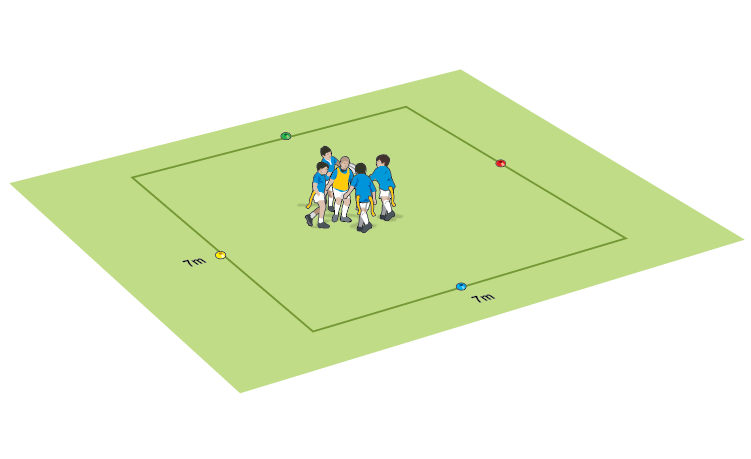
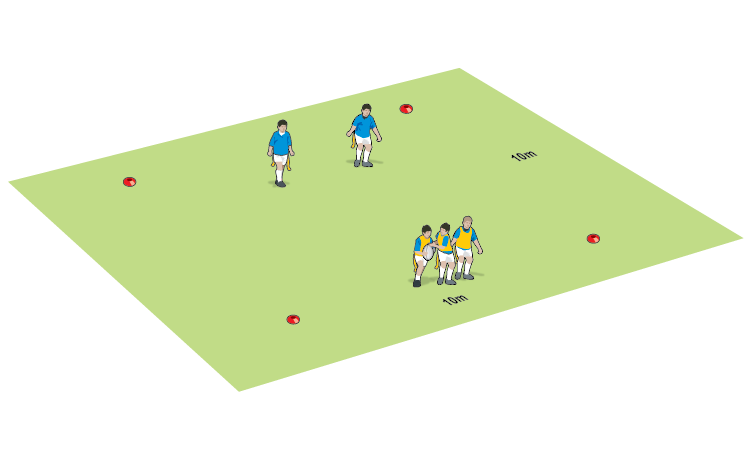
Use physical grappling warm-ups and ball-wrestling contests to make contact natural. Wrestling, bumping and pushing activities will help overcome the initial worries of pushing others.
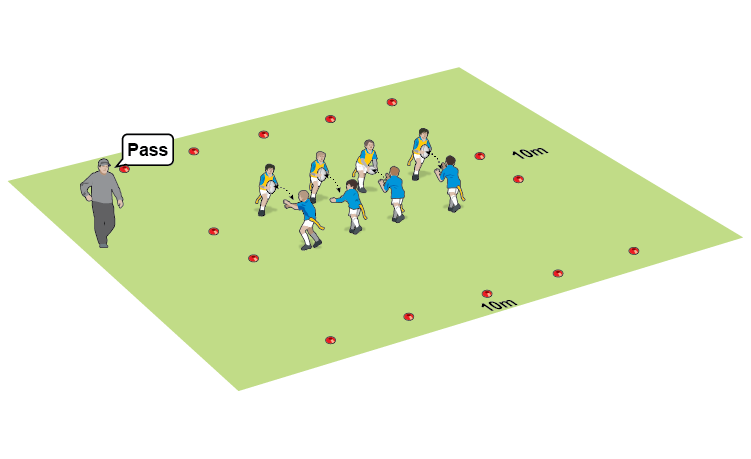
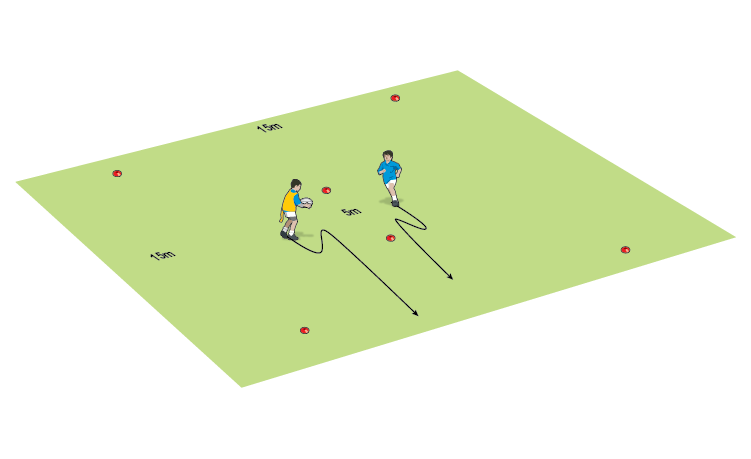
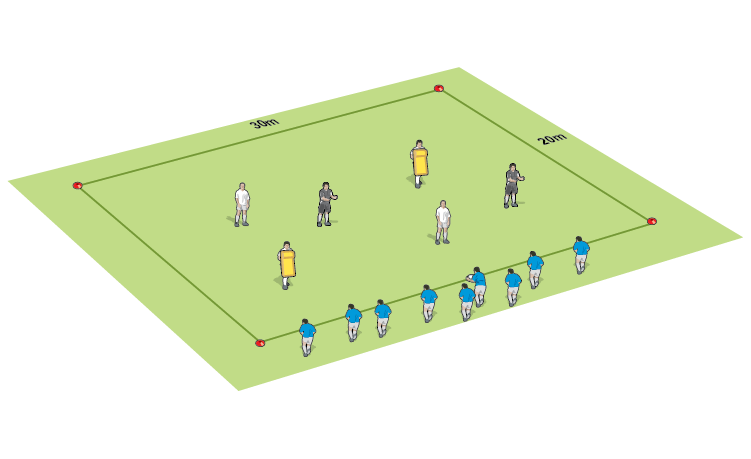
Play small-sided games in reduced areas to keep the speed down, giving players time to contemplate tackling.
In time, players will just forget their initial lack of involvement, as physicality and automatic responses become natural.
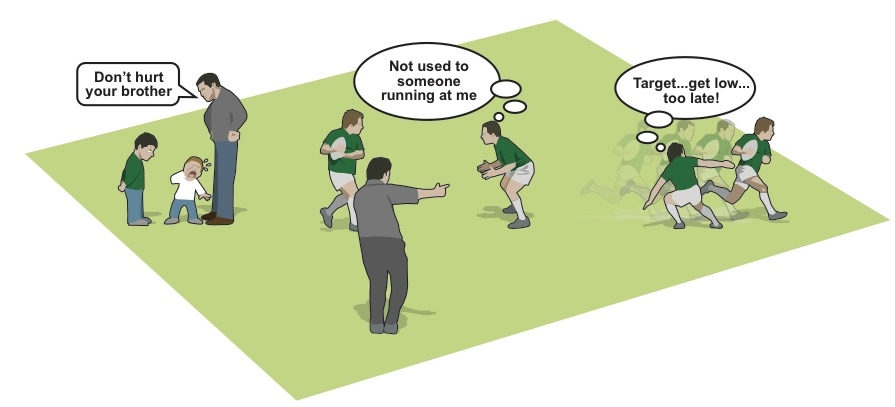
- Children are told not to hurt others
- They know collisions in the past have been painful
- When confronted with a quick target, some panic
Two ways to boost tackle confidence
1. Complete the tackle
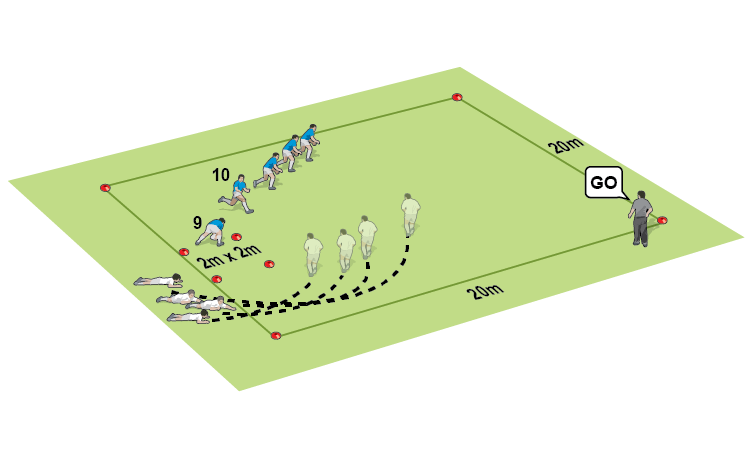
Start the tackler holding on to the ball carrier with one hand on the shorts or shirt.
On your call, the ball carrier has to progress, while the tackler aims to bring the player to the ground. This gives the player the confidence of knowing that completing a tackle is satisfying and not painful. It also shows the need to hold on hard and tight.
2. Tackle twins
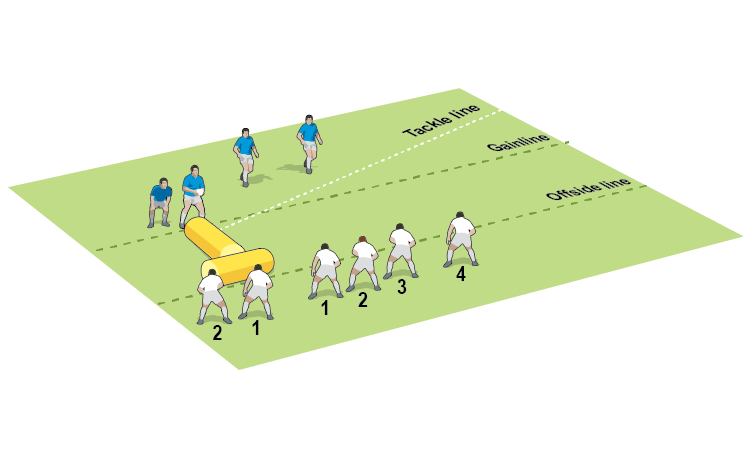
In tackling exercises, work weaker tacklers in pairs over a number of sessions and make a feature of them working together. As a result, they will relate to each other’s weaknesses and enjoy each other’s improvements. In matches, weaker tacklers will now feel they can work with other players. As time goes on, they will start to make tackles on their own.
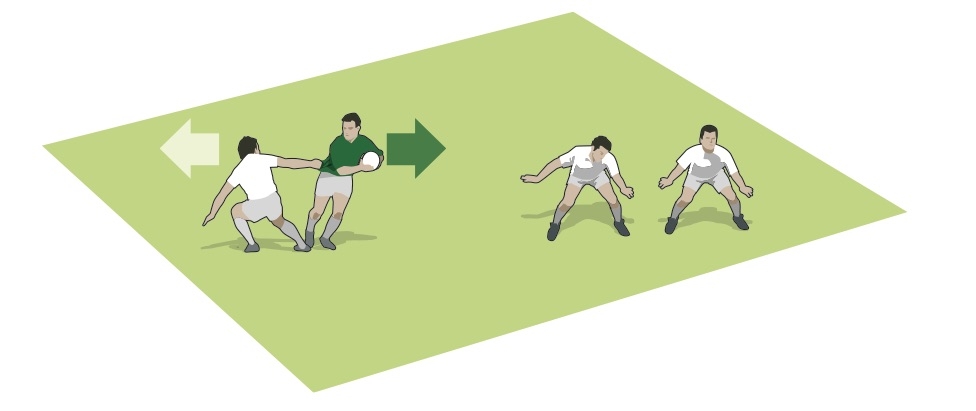
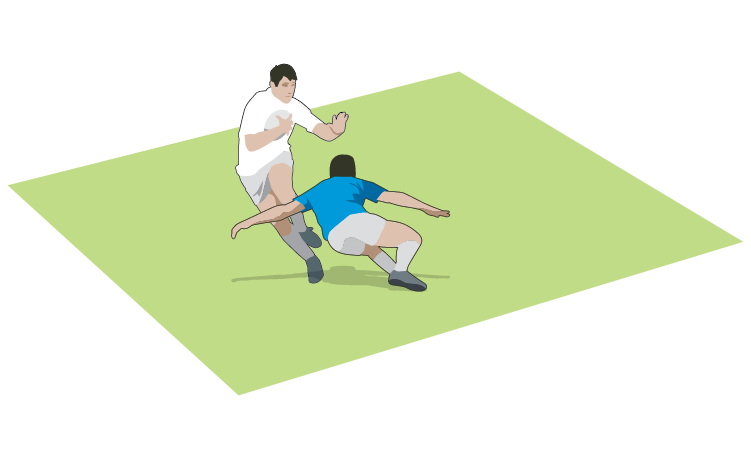
- Grab a player’s shirt or shorts and bring them down to complete the tackle
- “Tackle twins” can work together to iron out each other’s weaknesses
Related Files

Dan Cottrell
Latest Issue

Subscribe Today
Premium Books
Subscribe Today
Newsletter Sign Up
Coaches Testimonials

Colin Shaw

Gary Lee Heavner
Subscribe Today
Latest Issue
Be a more effective, more successful rugby coach
In a recent survey 89% of subscribers said Rugby Coach Weekly makes them more confident, 91% said Rugby Coach Weekly makes them a more effective coach and 93% said Rugby Coach Weekly makes them more inspired.
Get Weekly Inspiration
All the latest techniques and approaches


Rugby Coach Weekly offers proven and easy to use rugby drills, coaching sessions, practice plans, small-sided games, warm-ups, training tips and advice.
We've been at the cutting edge of rugby coaching since we launched in 2005, creating resources for the grassroots youth coach, following best practice from around the world and insights from the professional game.
